Why Medical Spas Fail Reason #3: Poor Telephone Conversion

First impressions mean a lot.  And because the telephone represents most people’s first impression of your aesthetic practice, it could mean everything–if they don’t love what they hear, they’ll hang up and keep calling around till they find someplace that they will love.  And if a caller is not interested in what they hear within the first 30 seconds, you’ve lost them for good!

You as the owner of the aesthetic practice have paid far too much in advertising dollars to hope your receptionist does a good job over the phone.  You can’t leave anything to chance, you could easily see all of your precious advertising money go right down the drain!  You need to convert a high percentage of prospective callers into scheduled consultation appointments.

How you answer the caller’s first question will set the tone for the rest of the conversation…and maybe the rest of the caller’s relationship with your aesthetic practice.   Most people who call in will ask you one or two questions either about the offer, the practitioner, prices, location, etc. They ask these questions because they don’t know you, and they don’t know what else to ask. These inquiries are the lifeblood of your aesthetic practice, and must be handled properly, using appropriate scripts.

Remember that your objective is to sell the appointment, not to sell a service over the phone. Try not to veer away from the script and get into a detailed discussion of your services.  What is important is to defer the caller while keeping their trust.  Tell the prospect, “The consultant will explain all of the details to you after she’s had a chance to meet with you.”  The following principles are essential to converting callers to scheduled appointments at your aesthetic practice.

Principal #1:  Your Receptionists Must Be Knowledgeable Regarding Your Services

How much does your receptionist know about the aesthetic services offered at your practice? If the answer is, “very little” then you need to make some radical changes in how you view your telephone help.  Whether for good or bad, callers expect your staff to be knowledgable about the services you offer.  Callers make a judgment on the quality of your services by the knowledge of your front desk staff.

If you have brochures on all of your treatments or if you have a website that explains your treatments, then you need to have your telephone receptionists study this information and TEST them on their knowledge of this information.  When someone asks them about how IPL works, they need to be able to provide a concise answer that addresses the question yet sets the stage for the caller to receive a scheduled consultation at your clinic.  I recommend that you establish weekly education meetings that require your staff to read material and take quizzes on the material.  You can get your staff involved by assigning a new staff member to develop the weekly quiz for the material you will be reviewing.

In addition to informational knowledge, there is no better way to help your receptionists become champions of your services but by receiving the treatments themselves.  This allows them to relate personal experiences of your treatments and help you pre-sell over the phone and book consultation appointments.

Principal #2  You Must Track and Record Your Telephone Calls.

You like your receptionists, but how do you know they are doing a good job?  Technology exists that allows you to record all incoming telephone calls into your practice and audit the responses your receptionists are giving to your prospective clients.  You can track your appointment conversion rates and assess how well your practice is doing in converting callers to appointments.  There are a number of services that allow you to audit your telephone calls, including:  WhosCalling[.]com.

Principal #3  You Must Incentivize Your Receptionists to Book Consultations

If you are converting at least 50% of all prospective callers into scheduled appointments, this is a good start, however it is only the beginning.  Your goal should be to continually improve your consultation booking percentage and reward your receptionists for doing a good job.  How do you incentivize your receptionists to book more consultations?  At our clinics one strategy that works very well is to pay your receptionist a base pay of $10-12 per hour and reward them for each new consultation they book during their shift.  This could be an incentive of $2 per consultation booked.  If the receptionist books 7 consultations during her shift, this results in an extra $14 they have made for the day and has increased their hourly pay from a base pay of $10 to $12 per hour to $12 to $14 per hour.

There are two caveats to this strategy:  (1) The Receptionist is in charge of tracking her own booked appointments in a log sheet if she wishes to be paid this bonus.  This makes your job of tracking a bit easier because the receptionist knows she must track the calls and report which consultations she booked for the day.  (2) In order for the receptionist to receive the $2 bonus per consultation booked, the booked consultation must actually show up for their appointment and receive a consultation.  This ensures the receptionist is setting up quality appointments and not just putting names on the schedule to receive extra pay.

Principle #4  The Receptionist Must Engage the Prospect. 

Help the prospect participate in the conversation.  When I consult with aesthetic practices, the biggest problem I see is the receptionist passively answering questions posed by the caller. When the caller is done with his / her questions, often times the receptionist doesn’t know what to do or say!  Nothing could be further from what MUST be done to keep your medspa running profitably.

The key to success in converting an incoming inquiry call into a booked appointment is to establish value and win their trust.  You accomplish this through your ability to ENGAGE the prospect right up front in the call.  Simply put, this means that you must help the prospect participate in the conversation so that they can feel comfortable asking their questions.

Listen Attentively.  The key to engaging the prospect is to listen attentively to them.  Be certain that you have heard what the prospect has said.  Restate their idea in your own words to be sure you have it right, and to let the other person know that you understand.  Make them feel comfortable asking questions.

Establish a relationship up-front.  If you answer the prospect’s questions directly, without engaging them in at least a brief conversation about their needs and concerns, they will still feel unsure or suspicious, and often will be reluctant to set an appointment.  That’s because you haven’t established a relationship with the prospect up front.

Be a good conversationalist.  When you “break the ice” and make them feel that they can trust you, they will feel much more comfortable about coming to see you.  Breaking the ice will enable you to set appointments a much higher percentage of the time.  Thus you must have a sincere interest in the people who are calling.  You must be a very good conversationalist while being sales-oriented in booking an appointment for the prospect.  And you must know about your aesthetic practice’s services, the practitioners and technicians and their backgrounds and certifications.

Ask open-ended questions.  They key to being a successful telephone call handler is to ask good, open-ended questions.   Open-ended questions are those that cannot be answered yes or no, and tend to lead to a long reply on the part of the prospect.  Examples include:

  1. How long have you been considering this type of treatment?
  2. How long have you had this problem?
  3. When did you first notice the problem?
  4. What type of cosmetic services are you interested in?
  5. Does it seem to be getting worse?

Principle #5  Be Enthusiastic.

Be enthusiastic and caring in all that you say.  If it helps you to get the right attitude, think of the caller as a close friend who needs your help.

  1. Smile when you talk.  If may sound trite, but smile when you talk – this actually helps you to transmit a positive “vocal transmission.”  Top converters smile when they speak.
  2. Vary your tone and pitch.  Use the range of your voice to be louder, softer, faster, and slower – as it would sound naturally.  A monotone conversation will not sell anything.
  3. Develop a Strong Belief in Your Aesthetic Practice’s Services.  People like to be convinced.  They want to hear how “wonderful” something is, and they hear that through your enthusiasm, your glowing reports, and your personal endorsements.  Become a user of your aesthetic practice’s treatments so that you can tell clients your own first-hand experiences.

After answering questions, schedule the appointment. After you’ve answered a question, assume the call is convinced, and go right into setting the appointment. If the caller has another question, he or she will ask, so you don’t need to say, “Do you have any more questions?” That will only make them think of one.

Principle #6  Be Prepared With Your Scripts.

  • Be Ready to Talk When You Answer the Phone.    It’s more important to be comfortable and ready to talk with a caller when you answer the phone than it is to answer on the first ring.  Be sure you’re at your desk with your script in front of you.
  • No one on hold for more than 30 seconds.  If you have too many calls to handle at once, and you have to put one (or several) on hold, make sure you come back at least once every 30 seconds to tell the caller that you’ll be right with them.  Studies show that after about 30 seconds on hold attention and interest falls dramatically.  If this is not possible, ask for their phone number so that you can call them back.
  • Know the scripts given to you by your aesthetic practice.  Know the scripts, but put it in your own words so that it feels natural to you.  Keep the call conversational, like you’re talking to a friend.  Speak the words cheerfully, as if welcoming guests to a party you’re giving.
  • Rehearse, rehearse, rehearse.  Go over the scenarios many times, both by yourself and by role-playing with someone else.  You may feel self-conscious at first, but that is exactly why you are rehearsing.  When the words become very natural to you, you are ready to take on real calls.
  • Understand what you’re saying.  You must understand every single word and concept, otherwise it really will sound like you’re reading a script.  Discuss and define every term before you talk to anyone.

Principle #7  Show Empathy.

Mirror the prospect’s mannerisms.  This means matching their tone and pace.  If they speak slowly, you do the same.  If they speak at a fast pace, you speed up slightly.

  • Try to ease their fears.  Remember that many people are a little intimidated when they have to call a new place.  Just like you, they want to make a good impression. So remember that they might already be uncomfortable so do what you can to ease their fears.
  • Listen to the prospect’s concerns (emotional hot buttons) and give them what they need as a solution.  Never forget that you are talking to a real person.  Though you will hear the same questions, objections and concerns over and over, they are expressing them for the first time.  Each call must be considered an individual event, not just a piece of your day.  Each prospect you talk to must be treated as an individual as well.
  • Show that you care about their concerns.  For instance, if the caller says, “I have to wait when I have an appointment” you can reply, “I know what you mean.   It makes me feel like my time doesn’t matter.”
  • Learn the name of your caller and use that name frequently.  It’ll make him or her feel more comfortable.
  • Listen carefully and empathetically to your caller, instead of just waiting until he or she stops speaking so that you can talk again.  Here’s a handy listening checklist:

1.      Think like the caller

2.      Don’t interrupt

3.      Listen for ideas, not words

4.      Interject occasionally, to indicate understanding of what the caller is saying

5.      Turn off personal worries

6.      React to ideas, not the person (you may not like the personality of the caller)

7.      Don’t’ jump to conclusions

Principal #8:  Follow a Basic Script

Below is a script we train our receptionists on and we expect them to study and become fluent in speaking.  By following this script it will dramatically increase your appointment conversion rate.  Please note the bold areas, these questions are critical.

Receptionist:  Thank you for calling (Practice Name), this is __________________ how may I help you?

Caller:  Yes, I’m calling about_________________________________.

If this is an established client, assist the client immediately with their question or need.  If this is a prospective client, proceed with the following dialogue:

Receptionist: That’s great!  Thank you for calling us.  I’ll be glad to answer that question for you.  May I ask your name first?

Prospect:  My name is:__________________.You get their name here so that you can use it to address them throughout the conversation.  This makes your conversation more personal.

Receptionist:  Thank you (prospect’s name). By the way, how did you hear about us?

Prospect:  From your (newspaper ad/ kiosk / passed by / other)

Receptionist:  (Prospect’ name), what was it that made you decide to call us?

Prospect:  (I’m tired of my wrinkles, I am tired of my unwanted facial hair, my friend spoke highly of you, etc.) – Draw them into additional conversation with this answer.

Receptionist:  Thanks for your help, (prospect’s name).  Okay, you wanted to find out more about (the reason for the prospect’s call) Example (laser hair removal price for the upper lip)  YOU NOW ANSWER THEIR QUESTION.

All calls lead to an appointment

We would be happy to get all of your questions answered about:_________, this normally begins with a free consultation at our center.    What day of the week is best for you?

Are mornings, afternoons or evenings best?

I’m not sure if that will work.  If you don’t mind, may I put you on hold?  I’ll see what arrangements I can make.

Thanks for holding.  It looks like I was able to squeeze you in on (Day) at (time).

In summary, having a strategy behind your telephone answering and training your staff well, you can dramatically increase your appointment conversion rates and your clinics profitability.  With no plan in place, you are leaving too much to chance and throwing precious dollars down the drain!

Step up your marketing game inside the clinic; set-up a waiting room video to convert to sales.

Comment

Vin Wells

Vin Wells, MHSA,  is the President and Founder of RockBottomLasers.com and has over 11 years experience in the aesthetic laser industry. Mr. Wells started his own chain of aesthetic clinics under the brand name Skinovative and opened his first medical spa in Boise, Idaho in February 2001. Mr. Wells continued to grow and operate aesthetic clinics for over 8 years.  Since 2008, Mr. Wells has focused on selling used aesthetic equipment to physicians and medical spas.

Mr. Wells received a masters degree in Health Services Administration from Arizona State University (1995) and has extensive practice management experience, working with a number of different hospital and outpatient care systems.

Mr. Wells has developed a number of business operations systems that help aesthetic clinics to maximize their profitability, including: Aesthetic Consultation Training, Medspa Management Training, Medspa Business Plans, Medspa Operations Manuals, and Front Desk Operations Training.  These products can be found at: SkinSalesTools.com

Mr. Wells completed received his bachelors of Science degree at Brigham Young University in 1991 and continued his education at Arizona State University, in Tempe, Arizona, receiving a Masters in Health Services Administration in 1994.  He has worked for a number of different health care organizations including as a Program Director for group of primary care clinics (Arizona Association of Community Health Centers), a Health Care Manager for a hospital network group (Arizona Healthcare Federation), and as Associate Director for the Arizona Council for Graduate Medical Education.

Mr. Wells has devoted considerable time in research the latest cosmetic trends and treatment modalities. He stays current on the cutting edge of such research and uses this information to make strategic decisions for the company.  He has a broad understanding of lasers and has been certified in laser biophysics and theory.

Mr. Wells was successful in developing a Laser Certification Program that was approved by the Arizona Radiation Regulatory Agency, the agency that oversees the use of medical lasers in Arizona. The program involves 40 hours of laser didactic curriculum as well as hands-on laser training.

Beware of Buying Used Medical Lasers From Brokers

Here are some things you need to know about the used laser market.

First of all, some of the people in it are very shady. Second, it is not standardized like the used car industry. There is not a “blue-book” value for used laser equipment. Prices and quality vary widely across the board. You usually don’t get a chance to check out (or test drive) the equipment you are purchasing. There is no lemon law with used lasers. When you buy it, it’s yours. It may be difficult getting your money back if it doesn’t perform. Most of these used dealers are not real companies. They are some guy who probably doesn’t even have the laser, but is instead brokering it. There are no real warranties with the equipment. The following are things you should look for in a laser broker and ask:

  • Does the laser broker actually have the laser in his/her possession or is it a consignment sale? If it is a consignment sale, you need to do your own due diligence on what condition the laser is in because you can’t always rely on the broker giving you accurate information. Since the broker may have never actually physically seen the device, he/she may not know if there are any flaws with the device. He or she is relying solely on the doctor who owns the device to give him accurate information.
  • Has this broker been certified by third parties and received a seal of reliability and ethics? Below are a few of the certifications that can be helpful in your assessment:
  • Dotmed. An online website that certifies laser brokers is Dotmed (found on the internet http://www.Dotmed.com). Find out if your laser broker is Dotmed Certified.
  • Ebay.  Every Ebay seller should have a seller’s rating. Find out if your broker has sold on the internet and what his satisfaction rating is. You want to see as close to 100% satisfaction as possible.

These certifications mean a lot to laser dealers and brokers because it validates their good reputation. Brokers and dealers who plan on selling medical lasers for many years to come do not want anything to happen to these ratings because they realize how important they are in selling equipment.

  • Has the broker had the equipment inspected by someone qualified to repair the laser prior to shipping? Even used lasers cost a lot of money, so it behooves you to make sure the laser that you’re buying has been properly inspected prior to purchasing. This should be done by a technician who knows the laser and should be done before you put any money down. Would you buy a used car from a fly by night dealer without having your mechanic look at it? Once it’s been purchased, all bets are off. Apply leverage to the broker when you have leverage, and that is prior to purchasing.

Many brokers tout that their laser equipment has been “refurbished.” This statement means absolutely nothing if the laser broker cannot provide documentation of the laser’s refurbishment. If they claim it has been refurbished, they should be able to send you a checklist of items that have been done to the laser in a matter of minutes via email or fax. If they cannot provide this to you in relatively short order, then nothing has been truly done to this unit.

If you have any doubt as to the laser’s condition, you can also ask the broker to shoot a video of the laser in operation, showing the following:

1. The laser being fired
2. The pulse count on the screen
3. The user adjusting the treatment parameters on the screen
4. The serial number of the unit.
5. Any material defects the laser may have that need to be disclosed

The bottom line is this: You want to make sure the laser is in good, operating condition. You need to make sure it is actually functioning. Shooting video these days is extremely easy. You can buy a Flip HD video camcorder for less than $200 and shoot high resolution video that can be uploaded directly to YouTube in a matter of minutes. Don’t let this process intimidate you. You are about to make a very large investment. Asking these items of your broker shouldn’t be seen as excessive.

4.   The Importance of a Laser Inspection Checklist

How do you know if a laser has been inspected or “refurbished”? Ask for a laser inspection checklist that has been completed by someone qualified to perform the inspection. Below is a basic laser checklist THAT SHOULD BE PERFORMED ON ANY LASER PRIOR TO BEING SOLD TO ANOTHER PARTY:

Laser Inspection and Maintenance Checklist

Inspection / Maintenance Item Date Completed Tech Initials
1. Check coolant level and add deionized water.
2. Inspect electrical connections.
3. Perform power meter calibration check.
4. If more than 250,000 shots replace deionizer cartridge and DI water.
5. Inspect and clean internal optics (if applicable)
6. Replace Xenon flash lamp if power is low and more 250,000 shots.
7. Inspect footswitch for proper operation.
8. Verify laser has no leaks after replacing any filters or connections.
9. Check High Voltage Power Supply.
10. Verify operation at all power settings.
Signed:_____________________________________Date:_________________________
Laser Repair Company:____________________________ Phone:___________________

In most cases, the inspection checklist will not have been performed prior to the broker listing the item, however you should make it a condition of the sale that the laser be properly inspected. If you do not require this, you will be buying at your own risk.

  • Can the broker provide you with a service report on the laser while it was under the manufacturers warranty?  In addition to the laser inspection checklist, you should also request any and all laser service reports that documents any maintenance that has been done on the laser since it was purchased new.  Sometimes the selling doctor may no longer have a record of this, however this should also be available from the laser manufacturer.  Manufacturers have a responsibility to document all repair and maintenance work that has been done to the laser as part of any warranty they have provided for the laser when it was purchased new.

Brokers can be hesitant to provide you with a serial number of the laser because they do not own the laser.  With a serial number you can call the manufacturer and find out where the laser is and sometimes who actually owns the laser.  This makes brokers nervous because it means that you can potentially go around them and buy directly from the owner of the laser unit. Such behavior is completely unethical, however it does sometimes happen which is why laser brokers are very careful about providing such information to you.

  • Can the broker provide you with at least 5 references within the past 3 months of doctors he has sold to?  Not every transaction will always run smoothly every time with a broker, however does the broker adjust to problems and ensure that things get back on track to keep the buyer happy?  Calling references of recent transactions will allow you to find out from buyer’s their level of satisfaction with the broker and whether they would do business with him or her again.

We have special offers on the lasers on our classifieds section, and all of them are in GOOD condition. So come and check it out until supplies last.

Comment

Vin Wells

Vin Wells, MHSA,  is the President and Founder of RockBottomLasers.com and has over 11 years experience in the aesthetic laser industry. Mr. Wells started his own chain of aesthetic clinics under the brand name Skinovative and opened his first medical spa in Boise, Idaho in February 2001. Mr. Wells continued to grow and operate aesthetic clinics for over 8 years.  Since 2008, Mr. Wells has focused on selling used aesthetic equipment to physicians and medical spas.

Mr. Wells received a masters degree in Health Services Administration from Arizona State University (1995) and has extensive practice management experience, working with a number of different hospital and outpatient care systems.

Mr. Wells has developed a number of business operations systems that help aesthetic clinics to maximize their profitability, including: Aesthetic Consultation Training, Medspa Management Training, Medspa Business Plans, Medspa Operations Manuals, and Front Desk Operations Training.  These products can be found at: SkinSalesTools.com

Mr. Wells completed received his bachelors of Science degree at Brigham Young University in 1991 and continued his education at Arizona State University, in Tempe, Arizona, receiving a Masters in Health Services Administration in 1994.  He has worked for a number of different health care organizations including as a Program Director for group of primary care clinics (Arizona Association of Community Health Centers), a Health Care Manager for a hospital network group (Arizona Healthcare Federation), and as Associate Director for the Arizona Council for Graduate Medical Education.

Mr. Wells has devoted considerable time in research the latest cosmetic trends and treatment modalities. He stays current on the cutting edge of such research and uses this information to make strategic decisions for the company.  He has a broad understanding of lasers and has been certified in laser biophysics and theory.

Mr. Wells was successful in developing a Laser Certification Program that was approved by the Arizona Radiation Regulatory Agency, the agency that oversees the use of medical lasers in Arizona. The program involves 40 hours of laser didactic curriculum as well as hands-on laser training.

Identifying Third Party Companies Who Can Repair Your Used Medical Laser BEFORE You Buy

Before you buy a used medical laser, it is critical that you identify third party companies who can repair it. You can’t always rely on the manufacturer to support your used laser. As was already mentioned, manufacturers will often turn their back on any doctor who has not purchased a new laser directly from them.

It is important that you find out from your broker who they use to repair the lasers they are selling you. You need to ask them which laser repair companies are “the best” third party repair companies. You want to get names and phone numbers of specific people who have experience repairing the lasers you wish to purchase.

After 90 days of warranty from the broker who sold you the laser, you will be “on your own” and you need to make sure you can continue to get the support you need for your used laser. You need to conduct your own independent research on the internet (I prefer using Google) to find out the following information from third party repair companies:

1. Identify at least 3 or 4 companies who specialize in repairing the used laser you wish to purchase
2. Ask them to provide you with at least 5 or 6 references of people they have recently serviced
3. Find out whether they have laser repair techs who have been Manufacturer-Certified to work on your used laser
4. Find out if they can obtain parts for your laser. Many manufacturers make it very hard for anyone outside their network to obtain parts such as laser fibers and dye kits. Don’t forget that laser and IPL parts are typically unique to one particular device. Some laser companies won’t even warranty the laser for you if it is not purchased directly from them.
5. Find out whether they have the diagnostic software from the manufacturer to trouble shoot problems with the device
6. Ask them to tell you the most common repairs the device needs and a ball park cost to repair the most common problems
7. Whether the company can offer you a third party extended warranty on the laser, how much it costs, and what all it covers.

You need to do this footwork BEFORE you buy. After you buy it can be too late and you may be taking too large of a risk.

Comment

Vin Wells

Vin Wells, MHSA,  is the President and Founder of RockBottomLasers.com and has over 11 years experience in the aesthetic laser industry. Mr. Wells started his own chain of aesthetic clinics under the brand name Skinovative and opened his first medical spa in Boise, Idaho in February 2001. Mr. Wells continued to grow and operate aesthetic clinics for over 8 years.  Since 2008, Mr. Wells has focused on selling used aesthetic equipment to physicians and medical spas.

Mr. Wells received a masters degree in Health Services Administration from Arizona State University (1995) and has extensive practice management experience, working with a number of different hospital and outpatient care systems.

Mr. Wells has developed a number of business operations systems that help aesthetic clinics to maximize their profitability, including: Aesthetic Consultation Training, Medspa Management Training, Medspa Business Plans, Medspa Operations Manuals, and Front Desk Operations Training.  These products can be found at: SkinSalesTools.com

Mr. Wells completed received his bachelors of Science degree at Brigham Young University in 1991 and continued his education at Arizona State University, in Tempe, Arizona, receiving a Masters in Health Services Administration in 1994.  He has worked for a number of different health care organizations including as a Program Director for group of primary care clinics (Arizona Association of Community Health Centers), a Health Care Manager for a hospital network group (Arizona Healthcare Federation), and as Associate Director for the Arizona Council for Graduate Medical Education.

Mr. Wells has devoted considerable time in research the latest cosmetic trends and treatment modalities. He stays current on the cutting edge of such research and uses this information to make strategic decisions for the company.  He has a broad understanding of lasers and has been certified in laser biophysics and theory.

Mr. Wells was successful in developing a Laser Certification Program that was approved by the Arizona Radiation Regulatory Agency, the agency that oversees the use of medical lasers in Arizona. The program involves 40 hours of laser didactic curriculum as well as hands-on laser training.

The Truth About Used Medical Laser Warranties

Laser brokers typically give you a 90 Day Warranty when you buy a used laser, but they are really just gambling that it won’t break down during those 90 days. If it does, they have to get someone to service the laser, get parts etc. so be ready to be down for awhile if this happens. In addition, the cost of the repair is coming out of their gross profit from the sale, so they may wish to drag their feet to avoid paying these costs. A good broker will deal with the issue head-on and get it taken care of immediately. Every day that your laser is not functioning is a day you are losing money and the broker should and must respond QUICKLY to this emergency.

Paying top dollar for new equipment allows peace of mind with warranty protection, but it comes at a very high cost. While it is true that most used laser equipment is no longer under a manufacturer’s warranty, research has shown that you are almost ALWAYS better off buying used equipment and paying out of pocket for maintenance and repairs versus buying new and having it covered under warranty. You are simply paying too high of a premium for the luxury of buying new. If peace of mind is the issue, then buy a back-up piece of equipment at a 70% discount that you can rely on when your primary equipment goes down. The reality is you will still be paying less than buying the brand new piece of equipment or a manufacturer’s warranty.

The truth about buying manufacturer warranties is this: They are extremely expensive and are written HEAVILY in the favor of the manufacturer. If nothing goes wrong with your laser device while under warranty, you normally have nothing to show for the money you have expended. We call this “vaporware” because the only thing you bought was a little peace of mind for a short period of time. This money can never be retrieved and is forever lost. Instead of buying “vaporware,” how about buying a back-up piece of hardware? This will give you peace of mind AND something to actually show for your money.

Laser companies do not like customers buying on the used market. They will treat you like a second class citizen and you will get third rate service and response from them. Depending on what laser you are looking to buy and how much training and upkeep it requires should be the main factors. Certain lasers have a good history of maintenance and others have a poor. It will be important to do your research on which lasers and manufacturers have a history of reliability and quality.

You also need to find out which laser manufacturers are user-friendly to pre-owned equipment. Some manufacturers can charge you a laser “RECERTIFICATION FEE.” Recertification fees are sometimes required by the manufacture if the laser device is sold to someone else. The laser manufactures claim it is to ensure the device has not been tampered with, however the real reason is to protect the manufacturer from being undersold by doctors looking to sell their used equipment. Charging a “recertification fee” levels the playing field between the new and used price. These fees can be as high as $25,000.

Thinking of purchasing a used cosmetic laser? Get the best deals here with us.

2 Comments

Vin Wells

Vin Wells, MHSA,  is the President and Founder of RockBottomLasers.com and has over 11 years experience in the aesthetic laser industry. Mr. Wells started his own chain of aesthetic clinics under the brand name Skinovative and opened his first medical spa in Boise, Idaho in February 2001. Mr. Wells continued to grow and operate aesthetic clinics for over 8 years.  Since 2008, Mr. Wells has focused on selling used aesthetic equipment to physicians and medical spas.

Mr. Wells received a masters degree in Health Services Administration from Arizona State University (1995) and has extensive practice management experience, working with a number of different hospital and outpatient care systems.

Mr. Wells has developed a number of business operations systems that help aesthetic clinics to maximize their profitability, including: Aesthetic Consultation Training, Medspa Management Training, Medspa Business Plans, Medspa Operations Manuals, and Front Desk Operations Training.  These products can be found at: SkinSalesTools.com

Mr. Wells completed received his bachelors of Science degree at Brigham Young University in 1991 and continued his education at Arizona State University, in Tempe, Arizona, receiving a Masters in Health Services Administration in 1994.  He has worked for a number of different health care organizations including as a Program Director for group of primary care clinics (Arizona Association of Community Health Centers), a Health Care Manager for a hospital network group (Arizona Healthcare Federation), and as Associate Director for the Arizona Council for Graduate Medical Education.

Mr. Wells has devoted considerable time in research the latest cosmetic trends and treatment modalities. He stays current on the cutting edge of such research and uses this information to make strategic decisions for the company.  He has a broad understanding of lasers and has been certified in laser biophysics and theory.

Mr. Wells was successful in developing a Laser Certification Program that was approved by the Arizona Radiation Regulatory Agency, the agency that oversees the use of medical lasers in Arizona. The program involves 40 hours of laser didactic curriculum as well as hands-on laser training.

Medical Lasers: Buying New Versus Used

When a new piece of equipment hits the aesthetic market, there is often a race to buy this technology quickly and sell treatments to consumers while there isn’t as much competition. Consumers in the aesthetic industry tend to be early adopters, jumping on the latest and greatest technology, believing that it will finally be the answer they are looking for. This often happens even when there is very little clinic research to support the claims made by the laser manufacturer regarding the equipment.

Those clinics that buy the latest technology typically must buy it from the manufacturer at top dollar. Sadly, most NEW aesthetic equipment becomes obsolete 2 or 3 years after the initial purchase, however most leases on that same equipment last for 5 or 6 years. Any leasing company will require a personal guarantee., which means that when you “lease” you are really “buying”.

In the world of aesthetics, technology is evolving at a rapid pace. This evolution also means that laser equipment does not remain useful for very long. It’s a hard pill to swallow when you continue to make monthly lease payments on equipment that has become a “doorstop” inside your practice. If you’ve paid top dollar for that equipment, it just makes that pill you’re swallowing even the more bitter.

If the technology fails to deliver results, this practice now has a piece of equipment that is only worth a small fraction of what you originally paid for it. A practice that plays this strategy for very long will continue to accumulate additional leases and have equipment that delivers very little ROI two or three years into the lease. It doesn’t take too many years of doing this until the liabilities on your company balance sheet are consuming your net worth and eating up all of your positive cash flow!

Another key issue is keeping your lease costs down so that you remain competitive. If your practice buys a new medical laser and your competitor buys the same laser pre-owned at a 70% discount, your competitor has a large competitive advantage over you. His fixed costs on capital equipment are 70% less than yours which means higher profit margins for him. He also has the ability to offer lower treatment prices and potentially put you out of business. You also have the option to match his lower prices, but you will need to compensate for the higher costs you are paying on that equipment by having a higher treatment volume. If you choose to keep your prices higher, then you will need to somehow differentiate your practice from the competition by offering other “value-added” benefits that justify your higher prices. This could be “Board Certified Dermatologist” or “Onsite Physician” etc.

The Best Strategy for Buying Medical Lasers

The best solution to keep up with advancing technology is to wait 18-24 months after a new device is introduced before you purchase anything. When you do buy, never buy NEW. Always buy used. This will allow the following benefits:

1. You will let someone else take the hit on depreciation (It will allow you to save 70-80%)
2. It allows you to monitor the reception of this technology in the aesthetic industry and go beyond the hype to find out the level of satisfaction of those doctors who have been using the device for the past 18-24 months and review clinical data. A good way to monitor this is to attend meeting such as the ASLMS and discuss items with other physicians who have the technology at trade shows.
3. If the device appears to be living up to expectations, then this could potentially be a technology to invest in and you will be much better off than the practices who jumped in early and have lost significant money by overpaying for aesthetic equipment.
If you’ve decided to buy a used medical laser, you’ve already made a smart decision. You can get a medical laser that’s just as good as a brand-new one without paying for the depreciation that wallops new laser buyers as soon as they fire their first pulse. Even lasers that are less than a year old are 40-50% percent cheaper than brand-new lasers.

Get better investment at half the price with the used cosmetic lasers we have on stock. We have limited availability, get them while you can!

Comment

Vin Wells

Vin Wells, MHSA,  is the President and Founder of RockBottomLasers.com and has over 11 years experience in the aesthetic laser industry. Mr. Wells started his own chain of aesthetic clinics under the brand name Skinovative and opened his first medical spa in Boise, Idaho in February 2001. Mr. Wells continued to grow and operate aesthetic clinics for over 8 years.  Since 2008, Mr. Wells has focused on selling used aesthetic equipment to physicians and medical spas.

Mr. Wells received a masters degree in Health Services Administration from Arizona State University (1995) and has extensive practice management experience, working with a number of different hospital and outpatient care systems.

Mr. Wells has developed a number of business operations systems that help aesthetic clinics to maximize their profitability, including: Aesthetic Consultation Training, Medspa Management Training, Medspa Business Plans, Medspa Operations Manuals, and Front Desk Operations Training.  These products can be found at: SkinSalesTools.com

Mr. Wells completed received his bachelors of Science degree at Brigham Young University in 1991 and continued his education at Arizona State University, in Tempe, Arizona, receiving a Masters in Health Services Administration in 1994.  He has worked for a number of different health care organizations including as a Program Director for group of primary care clinics (Arizona Association of Community Health Centers), a Health Care Manager for a hospital network group (Arizona Healthcare Federation), and as Associate Director for the Arizona Council for Graduate Medical Education.

Mr. Wells has devoted considerable time in research the latest cosmetic trends and treatment modalities. He stays current on the cutting edge of such research and uses this information to make strategic decisions for the company.  He has a broad understanding of lasers and has been certified in laser biophysics and theory.

Mr. Wells was successful in developing a Laser Certification Program that was approved by the Arizona Radiation Regulatory Agency, the agency that oversees the use of medical lasers in Arizona. The program involves 40 hours of laser didactic curriculum as well as hands-on laser training.

Why Medical Spas Fail Reason #2: Poor Advertising or Not Enough Advertising

Advertising is one of the biggest challenges facing an aesthetic practice because it is such a moving target.

There are so many variables that determine a successful advertising campaign.  In addition, what may generate a response at one point stops working eventually and you need to create a new strategy.  How do you know if you have “poor advertising?”  Where the “rubber hits the road” is your Return on Investment (ROI).  As a general rule of thumb, for every ONE dollar you spend, you NEED to get at least FOUR dollars back, if not more (a 4 to 1 ROI).  Why is this?  The key reason is that you STILL have all of your other overhead to cover.  If your advertising just pays for itself (a 1:1 ROI), then you will quickly be out of business.  Let’s use a simple example.  If I am investing $1,000 per month in Google Adwords, my expectation is to get at least $4,000 back in CASH revenue for my practice from that advertising expense (a 4:1 ROI).  If I just got $1,000 back (a 1:1 ROI), then all I’ve done is paid for the advertising and I still have all of my other overhead to cover (including those leases on equipment that I paid TOP DOLLAR for).

If you find an ad source is generating a 4:1 response, then you can often RAMP UP this advertising and generate more dollars.  What you begin to do is eliminate underperforming forms of advertising and invest MORE money in advertising strategies that are working. Whatever you’re advertising, you need to make sure you have enough margin built into the service you are advertising that it will be profitable.  You could sure advertise a special on $10 facials, however it may be difficult to make a good ROI on this type of service.  I always like to advertise the BIG GUNs services such as laser lipolysis, Thermage, Accent, etc.  These are services in which there is enough margin to make it worth your while and will help ensure a high ROI.

The greatest advice I have to give in this area is this:  YOU NEED TO COPIUSLY TRACK YOUR REFERRAL SOURCES.  Every call that comes in and every consultation that is booked needs to be assigned the correct referral source.  In our clinics, we require that when booking the consultation, a required field is to ask the caller how they heard about our clinic.  This referral source is fresh in the callers mind and it is now locked into the client’s information.  Our software program allows us to track how much revenue we generate by each referral source.  In this manner, it allows us to make intelligent decisions on advertising.  If advertising is not working (at least a 4:1 ROI), we pull the plug quickly.  Forget about “brand building” which is what the big boys do such as Coca Cola and Microsoft, we want and need DIRECT RESPONSE ADVERTISING to stay in business.  The key definition to direct response advertising is advertising that is designed to do one thing:  GET YOUR PHONE TO RING AND BRING MONEY THROUGH THE DOOR.

Not every prospective client calling your practice books an appoint, so there are now excellent ways to track EVERY referral source.  There are internet services available that allow you to assign individual telephone numbers, including toll free numbers to EVERY advertising piece you broadcast to your audience.  This allows you to capture key information such as:  (a) Total Calls Generated From Every Ad You Publish by day of the week, by the hour, and a myriad of other criteria.  In addition, since you know how much you are spending on your advertising, these services will also calculate your COST PER CALL.  As an example, if you are paying $1,000 per month for newspaper advertising and the total number of telephone calls you received from that ad source is 20 calls, then ($1,000 / 20 calls = $50 per call).  From my experience if you can get your cost per call below $50, then you are doing something right to get your telephone to ring.

What I also like about these services is you can actually record the telephone calls coming in to your practice.  How is your receptionist answering the phone?  How are her techniques?  Is she effectively booking 60 to 70% of prospective clients into booked appointments? Does she have an accurate grasp of the technology to answer basic questions?  Call tracking services such as these become INVAULABLE TO YOUR PRACTICE.  The reality is this.  You’re spending A LOT of money to get your phone to ring, you need to make sure you are capitalizing on this.

Since most practices don’t track their advertising, they are constantly shooting in the dark and trying new things without knowing what is truly working, except anecdotally.  One bad experience with a large outlay of advertising dollars without a lot of money in return can cause the doctor to retreat in fear and not do any advertising at all or very little advertising.  This becomes a downward spiral if you stop investing in advertising altogether.  It becomes a death sentence if you cease to invest in new leads for your practice.

External Advertising

External advertising represents advertising to people who are not currently your clients. Traditional forms of advertising have become less effective such as newspaper and the yellow pages.  Subscribership continues to fall away as is evident with several large newspapers going out of business.  When is the last time you used a yellow page phone book to find what you’re looking for?  The reality is the internet is completely replacing most of these traditional forms of advertising.

From my experience, you can save a lot of money by utilizing Internet Advertising.  There are several courses online that teach you how to do your own Google Adwords Advertising.  If you want to save significant money in the long run, you should develop this expertise in-house versus outsourcing this to an outside company.  In addition, many new internet mediums have exploded into the marketplace such as Facebook.  These new mediums have generated significant leads for the clinics I have associated with and are worth investigating.

Internal Advertising

Internal advertising represents advertising to your own client database. We all know that it costs a lot more to obtain a new client that to retain one.  If we assume you are providing the best possible service to retain your clients, the missing piece in most practices is developing a system to advertise to your own clients and keep them coming back.  If you have clients who love your clinic and your services, they welcome your offers and they want to hear from you! Continue to send them special offers available to “established clients” only to make them feel special.  Your ROI on your warm list of clients will be substantially higher than mailing to a “cold” list of people you are trying to obtain as new clients.  It is not unusual to receive a 10 to 1 ROI or higher with this group.

The amazing part of this, your advertising in this area doesn’t have to be expensive.  It can be a very simple letter or postcard or even telephone call.  Mailing out a simple letter that you mail-merge with your database personalizes your contact with the client and helps them feel unique.  You can promote new services and aesthetic devices you have recently acquired and offer “members only” pricing your database.  Emailing your clients is also good, but I have found my response rate drops off too dramatically to just rely on emails alone.  Emails should be coupled with a physical mailing such as a letter.

There are also services available that allow you to upload your list of clients to an online database.  You can then record a single telephone call and broadcast this single message to all of your clients!  It is an amazing tool that can really add a personal touch to your practice and leverage your time.  The doctor would record the call, thanking the client for their business and informing them of new services and offers available.  The message is only left on voice mail so the client doesn’t know it was a recording.  It is an exceptional service and I highly recommend it.  It ends up costing you approximatley 0.06 cents per phone number.

Get more patients with better advertising, find out how you can attract more patients in your practice or clinic.

Comment

Vin Wells

Vin Wells, MHSA,  is the President and Founder of RockBottomLasers.com and has over 11 years experience in the aesthetic laser industry. Mr. Wells started his own chain of aesthetic clinics under the brand name Skinovative and opened his first medical spa in Boise, Idaho in February 2001. Mr. Wells continued to grow and operate aesthetic clinics for over 8 years.  Since 2008, Mr. Wells has focused on selling used aesthetic equipment to physicians and medical spas.

Mr. Wells received a masters degree in Health Services Administration from Arizona State University (1995) and has extensive practice management experience, working with a number of different hospital and outpatient care systems.

Mr. Wells has developed a number of business operations systems that help aesthetic clinics to maximize their profitability, including: Aesthetic Consultation Training, Medspa Management Training, Medspa Business Plans, Medspa Operations Manuals, and Front Desk Operations Training.  These products can be found at: SkinSalesTools.com

Mr. Wells completed received his bachelors of Science degree at Brigham Young University in 1991 and continued his education at Arizona State University, in Tempe, Arizona, receiving a Masters in Health Services Administration in 1994.  He has worked for a number of different health care organizations including as a Program Director for group of primary care clinics (Arizona Association of Community Health Centers), a Health Care Manager for a hospital network group (Arizona Healthcare Federation), and as Associate Director for the Arizona Council for Graduate Medical Education.

Mr. Wells has devoted considerable time in research the latest cosmetic trends and treatment modalities. He stays current on the cutting edge of such research and uses this information to make strategic decisions for the company.  He has a broad understanding of lasers and has been certified in laser biophysics and theory.

Mr. Wells was successful in developing a Laser Certification Program that was approved by the Arizona Radiation Regulatory Agency, the agency that oversees the use of medical lasers in Arizona. The program involves 40 hours of laser didactic curriculum as well as hands-on laser training.

Why Medical Spas Fail Reason #1: Paying Too Much for Equipment and Build-Out

Investing in an aesthetic practice can be very costly.

You can easily drop $700,000 to over a million to get your practice established.  Paying top dollar for new equipment allows peace of mind with warranty protection, but it comes at a very high cost.  While it is true that most used laser equipment is no longer under a manufacturer’s warranty, research has shown that you are almost ALWAYS better off buying used equipment and paying out of pocket for maintenance and repairs versus buying new and having it covered under warranty.  You are simply paying too high of a premium for the luxury of buying new.  If peace of mind is the issue, then buy a back-up piece of equipment at a 70% discount that you can rely on when your primary equipment goes down.  The reality is you will still be paying less than buying the brand new piece of equipment.

The key to this issue is to identify the companies who repair the used equipment you are considering to purchase.  Ask them to quote you prices on repairs and warranties if you have them.  Also make sure that parts are readily available for this equipment and that the equipment manufacture does not hold a monopoly on spare parts.  You need to do this footwork BEFORE you buy.  After you buy it can be too late and you may be taking too large of a risk.

You also need to find out which laser manufacturers are user-friendly to pre-owned equipment.  Some manufacturers can charge you a laser “RECERTIFICATION FEE.”  Recertification fees are sometimes required by the manufacture if the laser device is sold to someone else.  The laser manufactures claim it is to ensure the device has not been tampered with, however the real reason is to protect the manufacturer from being undersold by doctors looking to sell their used equipment.  Charging a “recertification fee” levels the playing field between the new and used price.  These fees can be as high as $25,000.

Sadly, most aesthetic equipment becomes obsolete 2 or 3 years after the initial purchase, however most leases on that same equipment last for 5 or 6 years.  In the world of aesthetics, technology is evolving at a rapid pace.  This evolution also means that technology does not remain useful for very long.  It’s a hard pill to swallow when you continue to make monthly lease payments on equipment that has become a “doorstop” inside your practice.  If you’ve paid top dollar for that equipment, it just makes that pill you’re swallowing even the more bitter.

Let’s use an example to illustrate this point.  If your practice buys a new Laser Gadget and your competitor buys the same Laser Gadget pre-owned at a 70% discount, your competitor has a large competitive advantage over you.  His fixed costs on capital equipment are 70% less than yours which means higher profit margins for him.  He also has the ability to offer lower treatment prices and potentially put you out of business.  You also have the option to match his lower prices, but you will need to compensate for the higher costs you are paying on that equipment by having a higher treatment volume.  If you choose to keep your prices higher, then you will need to somehow differentiate your practice from the competition by offering other “value-added” benefits that justify your higher prices.  This could be “Board Certified Dermatologist” or “Onsite Physician” etc.

If you feel strongly about buying new laser equipment versus used, do not accept the sticker price presented to you by your laser sales rep.  You must understand that everything is negotiable.  Do not accept a 1 year warranty, ask for a 3 year warranty.  If they are not negotiable on the price, then ask for a “DEMO” unit.  Demo is normally code word for a discounted price.  In most cases, demo units are not even used pieces of equipment, but it allows the manufacturer to legitimately sell you a new piece of equipment at a much lower price while maintaining their price integrity.

Regarding clinic build out, my recommendation is to find a medspa location that is already built out.  There are hundreds of medspas that have gone out of business.  In most cases they have ALREADY spent HUGE bucks to create a beautiful facility.  They have already spent the big bucks for tenant improvement.  You can pick these built-out locations for FREE.  Don’t invest this money yourself.  Find a realtor in your city who specializes in renting medical office space along with retail space.  He should have a good lay of the land on what is available.  You will be surprised with what gem locations are available.

Save up on equipment costs, and check out our selection of used cosmetic lasers over here.

Comment

Vin Wells

Vin Wells, MHSA,  is the President and Founder of RockBottomLasers.com and has over 11 years experience in the aesthetic laser industry. Mr. Wells started his own chain of aesthetic clinics under the brand name Skinovative and opened his first medical spa in Boise, Idaho in February 2001. Mr. Wells continued to grow and operate aesthetic clinics for over 8 years.  Since 2008, Mr. Wells has focused on selling used aesthetic equipment to physicians and medical spas.

Mr. Wells received a masters degree in Health Services Administration from Arizona State University (1995) and has extensive practice management experience, working with a number of different hospital and outpatient care systems.

Mr. Wells has developed a number of business operations systems that help aesthetic clinics to maximize their profitability, including: Aesthetic Consultation Training, Medspa Management Training, Medspa Business Plans, Medspa Operations Manuals, and Front Desk Operations Training.  These products can be found at: SkinSalesTools.com

Mr. Wells completed received his bachelors of Science degree at Brigham Young University in 1991 and continued his education at Arizona State University, in Tempe, Arizona, receiving a Masters in Health Services Administration in 1994.  He has worked for a number of different health care organizations including as a Program Director for group of primary care clinics (Arizona Association of Community Health Centers), a Health Care Manager for a hospital network group (Arizona Healthcare Federation), and as Associate Director for the Arizona Council for Graduate Medical Education.

Mr. Wells has devoted considerable time in research the latest cosmetic trends and treatment modalities. He stays current on the cutting edge of such research and uses this information to make strategic decisions for the company.  He has a broad understanding of lasers and has been certified in laser biophysics and theory.

Mr. Wells was successful in developing a Laser Certification Program that was approved by the Arizona Radiation Regulatory Agency, the agency that oversees the use of medical lasers in Arizona. The program involves 40 hours of laser didactic curriculum as well as hands-on laser training.

Lifestyle Lift & Posting False Reviews Online?

Was Lifestyle Lift "Astroturfing" (posing as clients and posting false reviews)?

I was looking around at a number of allegations of medical businesses that have been accused recently of using their employees to post fake comments on physician rating sites and was pointed to this Wikipedia entry about Lifestyle Lift and allegations by the New York State Attorney General's office that Lifestyle Lift had been 'Astroturfing' back in 2009.

(Via Wikipedia)

 Lifestyle Lift has faced numerous complaints about the accuracy of their advertising. The company and its procedures have been featured on ABC, NBC, CBS and Fox News, and in newspapers and magazines across America, some of which were critical of their practices. In 2006 Lifestyle Lift voluntarily participated in a review of its advertising materials with the Better Business Bureaus's National Advertising Division. This review produced a 10-page document which made several suggestions for improvement, all of which were adopted by Lifestyle Lift. One was that pictures taken of patients tended to amplify problem spots, and benefits post-surgery, by using different photographic techniques. The BBB summarized by stating that "disclaimers must not contradict the main message conveyed by an advertisement", and "'before' and 'after' photographs should be taken in a uniform manner". 

In 2008, the company brought suit in United States federal court against the website RealSelf.com, which solicits anonymous consumer reviews of cosmetic procedures. Lifestyle Lift claimed that RealSelf's practice of allowing competing cosmetic surgeons to advertise as offering a "Lifestyle Lift" was a trademark violation. The courts deemed the website's activities to be protected First Amendment speech, and the lawsuit was later settled. 

In July 2009, the New York State Attorney General's office charged Lifestyle Lift with "astroturfing," or posting fake consumer reviews on the Internet, and reached a settlement in which the company paid $300,000 in penalties and costs. According to the AG's office, Lifestyle Lift employees were instructed to create accounts on Internet message boards and pose as satisfied customers, and created web sites such as "MyFaceliftStory.com", designed to disseminate positive reviews appearing as if they were created by independent and satisfied customers. They also attacked genuine customers who posted critical messages about Lifestyle Lift on other sites, and took steps to get those posts removed. The AG's investigation discovered emails specifically instructing employees to engage to post on the web; one such message directed an employee to "devote the day to doing more postings on the Web as a satisfied client"

(Note: I've never been involved with Lifestyle Lifts or Swift Lift in any way but we did perform a different endoscopic suture plication facelift called Point Lift that we developed independently. Point Lift was eventually dropped after we found the results to be lackluster and the incidence of unhappy patients and complications to be higher than acceptable.)

In my experience, these kinds of lawsuits happen from time to time and it's more an inditement of some shoddy business practices than of the medical treatment.

I'm aware that there are a number of physicians who are performing Lifestyle Lifts now and I'm curious to find out what their opinion of the treatment and patient satisfaction in general.

This kind of stuff can quickly get out of control, even on an individual clinic level. The whole 'fake physician review' deal is one of the reasons that we're promoting Frontdesk's verified physician review and customer satisfaction marketing system that actually takes some steps to make sure that your happy clients have a voice that gives a clear representation of what your patients actually think.

Link: Frontdesk's Customer Satisfaction Review Marketing System

Niche Yourself & Your Medical Spa

If you're not comfortable with creating or finding a niche that your medical spa can dominate... get familiar with it.

Guy Kawasaki is a well known speaker on technology, venture capital and startups. I've seen him give this presentation a number of times and this is dead-on accurate for any business, including your laser clinic or medspa.

If you're just copying everyone and trying to feed on the edges of the marketplace, your medical spa's just an also ran and you'll never experience the ability to control your prices or your income and you'll always be playing second fiddle to those clinics and physicians who understand these principals.

Improving Your Laser Clinics Marketing Funnel

Web users are, for the most part, used to giving out personal information online, especially in exchange for content they want. But certain kinds of information are more sensitive than others.

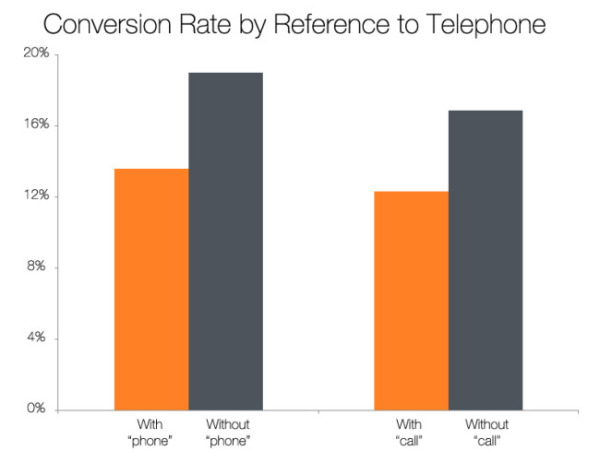
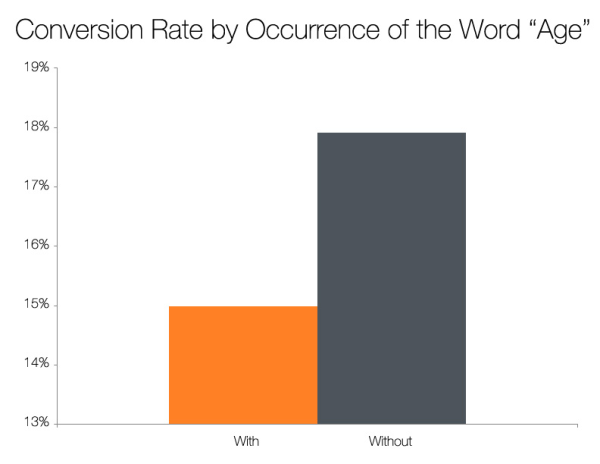
If you're capturing leads for your laser clinic or medical spa, here's some info from Hubspot that show how asking for certain type of information can reduce the number of contacts or leads that you're able to capture.

Here are some of the findings.

Forms asking for any type of geographic location have lower converstion rates than forms that do not, but mailing addresses seem to be much more sensitive since the perception is that visitors filling out the form will receive mail.

Asking for a telephone number has much the same impact as asking for a mailing address... a decrease in the number of completed forms.

Oddly, at least to me, it seems that asking a visitors age is also sensitive enough to prevent form completions.

So what should you do?

First, don't try to swallow the entire apple, just take a bite and begin to add value. Remember that they're filling out your form in order to receive value from you. If you don't provide any value at all and just spam them with offers, your relationship will sour quickly.

Managing Patient Expectations Part 2 - Botox Training MD

Read Managing Patient Expectations Part 1

Managing patient expectations is a learned skill but one that you have to master in order to run a competitive and profitable cosmetic practice.

Be aware of is patients who are complaining about previous providers. It's a potential indicator that this client might be a difficult client to deal with.

Clearly if someone is continually bashing another doctor (provided that the didn't do something that caused obvious harm) and they're angry with that doctors and his staff, that's going to put me on guard.

Now, there are situations where a patient's anger is appropriate.

I have a patient right now, that for years, went to another provider, and when she came to me and told me that she's switching providers, I did become a little alarmed right out of the bat. But once I got to know her my misgivings were removed. She had been going to this other physician for years and years and years, and she was upset with him because of the treatment she received for the previous several injections... but she attributed it to the front desk since the clinic had became very busy and impersonal. So I think you have to look at each patient individually. She was legitimate with her complaint and we have a great relationship but there are others.. If a patient is very, very angry, and constantly bashing a former provider and complaining about results you need to be aware, because you could be the next one on their hit list.

I think it's important to take as much time as you can so that you're comfortable and the client's comfortable. To simply make a decision that you're not going to treat that patient and you are now wasting your time, sitting in that room with the patient is the bad approach because then the patient's gonna be angry.

As far as I know, I've never sent anybody out of the office angry because I declined the treatment.

I really make the decision very rapidly as to whether I'm going to treat them or not. I think with time you develop that. I know within the first minute or so if I'm going to treat or won't, but I spend the same amount of time sometimes for both of them - the person I'm going to treat versus the person I'm not going to treat -  because to make that person angry is not what I want to do for a number of obvious reasons.

Often, I can convert them into doing something else that's realistic or telling their friends that's I'm genuine person.  I listen to exactly what they want and I try to understand what they want to have done. Sometimes it's a very small,small correction they're asking for and I don't think I can alleviate it... a very tiny line that I can barely see. So I listen to them, I give them a mirror, I have them point it to me. I try to totally understand what they are pointing up. And most of the time, I can see what it is they want me to correct.

However, if I don't think I can correct it and I think that it's unrealistic, I don't tell them: "That's unrealistic", I explain to them the limitations of the product and the scientific discussion. This product is made for this procedure, not unfortunately for what you want to have done and what you want to have done, I'm unable to correct this in the way that you're asking for.

Some patien'ts don't accept that and will respond with..  "But you're a plastic surgeon or you're an aesthetic physician, this is what you do." So then you have to educate them more with, "Unfortunately we don't have all the tools available". (The 'no magic wand' defense.)

So, even if you've decided that you're not going to treat a specific patient, I think it's really important to spend time with them, see what they want you to do and have them leave happy.

Botox Training MD: Clinical Botox + FIllers
Comment

Marc S. Scheiner MD

Dr. Marc S. Scheiner completed his undergraduate studies at the University of Delaware, and received his medical degree at the University of Texas. Following his residency at the University of Florida, he practiced family medicine in the small town of Elkton, Maryland during the 1990’s. During that time, Dr. Scheiner was forced to refer patients from rural Cecil County to Baltimore or Delaware for plastic surgical procedures. His interest in this type of surgery and his desire to provide these services for the local community led him to begin plastic surgery training.

Dr. Scheiner was accepted at the Nassau University Medical Center in 1999, where he entered the General Surgery Program. Following the completion of his general surgery residency, he began training with the oldest and largest plastic surgical group in the United States, the Long Island Plastic Surgical Group in New York.

In June of 2004, Dr. Scheiner completed his plastic surgical training and moved back to Cecil County to open the O’Leigh Aesthetic Surgery Center, LLC, filling a much needed gap in locally provided plastic surgical care.

In 2006, Dr. Scheiner, along with several other local physicians, began construction of a new medical facility in Elkton, Maryland. This building, in addition to being Dr. Scheiner’s new office, houses Cecil County’s first ambulatory surgery center, the Upper Bay Surgery Center. Upper Bay Surgery Center offers ambulatory surgical procedures in a private, comfortable, and safe environment.

Dr. Scheiner has lived in Cecil County since 1984 and currently resides in North East with his wife and three children.

Botox vs Dysport: A Comparison

By plastic surgeon, Marc Sheiner MD

What's the difference between Botox and Dysport?

The following discussion will explore Dysport and Botox Cosmetic in the United States, stressing the differences and the similarities between them. The discussion will begin with the similarities between Dysport and Botox.

Both of these roducts, Botox and Dysport, are neurotoxins. Specifically, they're type A Botulinum toxins that are Citicholine release inhibitors. Both therefore block the Citicholine release and prevent the communication between the nerve and the muscle, temporarily immobilizing muscles that produce wrinkles. Both are similarly FDA approved for the temporary improvement in the appearance of moderate to severe glabellar lines associated with Procerus and Corrugator muscle activity, i.e. the frown lines. Both are supplied in vials, and the fine powder requiring reconstitution with saline and both are injected in the facial muscles with a 30 gauge needle. In addition, both are also used off label to treat crow's feet and forehead lines or the lip line, essentially anywhere a rhytid or a wrinkle is present.

It has been reported that Dysport has a quicker onset, that is, people notice the effect of Dysport in 1-2 days as opposed to 4-7 days with Botox. Also, it is commonly reported that Dysport diffuses over a wider area than does Botox. This make some importance when treating areas around the eyes and that you can use a smaller amount of Dysport and alleviate potential complication such as ptosis (sagging or drooping of the eyelid). There are also some reports that people state that Dysport is less painful although this is not proven in any scientific literature. In addition, there are reports that Dysport may actually last a bit longer than Botox. Typically, Botox remains effective for 3-4 months and some reports say that Dysport may act a bit longer, 4-5 months.

Now for the differences among the 2 products. (Some of the differences are scientifically proven while others are anecdotal references.)

To begin with, Botox is supplied by the manufacturer Allergan in 150 unit vials. Typically the 100 unit vial is supplied for $525. Dysport is supplied by Medicis in 300 and 500 unit vials. The 300 unit vial typically goes for $475. So if the Botox and the Dysport vials are divided by units, one can see that 1 unit of Botox costs $5.25 with 1 unit of Dysport costs $1.50. However, the difference does not equate to a cheaper product if you will because you actually require more Dysport to obtain the same results with Botox. And we will discuss that in a moment.

The Botox is used in a fashion exactly the same as Dysport. However 1 unit of Botox does not equal 1 unit of Dysport. Typically, anywhere from 2.5-3 or even 4:1 ratios of Dysport to Botox is effective. So, that is to say that you may require 2.5 or 4 units of Dysport to obtain the same result as you would with 1 unit of Botox. For example, the glabella is typically treated with 5 injections of Botox, 4 units in each site and that's a total of 20 units. With Dysport, you actually use 10 units in 5 sites for a total of 50 units. Another difference is the reconstitution.

Reconstitution simply means the product needs to be dissolved in normal saline. There are many ways to do this. I typically apply 2.5 cc's of normal saline to a 100 unit vial of Botox, which will give you 4 units of Botox per 0.1 ml of fluid.

With Dysport, you place 1.5 cc's of normal saline into the 300 unit vial and that would equate to 10 units of Dysport per 0.05 mL or cc's of fluid.

Those are some of the similarities and differences. I would now like to discuss some of the questions that typically are asked by clients when they are deciding whether to use the Botox or Dysport.

One common thing that I hear often is one of the products is better than the other. I explain to them that basically both are the exact same product aside from some molecular differences. And I explain that some report subtle differences regarding quicker onset, but in my experience both products produce the same results and last essentially the same amount of time.

Another question I often hear is one of the products associate with more complications than the other product. And I tell them no, that both of the products are associated with the exact same side effects profile. You can obtain bruising, swelling, redness, ptosis from both of the products. However, Dysport is a relatively new product in the United States and Botox has been used for a greater length of time so the exact safety profile of Dysport has not been illustrated to date.

Another question I sometimes hear is why should I choose Botox over Dysport? If I'm asked that question, I don't make the decision for the person. I will occasionally help them along by explaining to them that I personally use on family members and what product most clients use. I tell them that they both predicatively improve wrinkles and in my office they're both the same price. You'll read a lot of information that Dysport is cheaper.  And of course if you do the math, 7:01 in the beginning you'll see cheaper per unit but you need to use more units. Still, when you do it that way, Dysport does come out to be more affordable. However, I offer them both at the same price after discussion, explaining to them that both of them have the same side effect profile and produce the same results.

And if you present them with that information and then say one is more expensive than the other, most people obviously choose the cheaper one so I just keep it in the office as an added product you know, cause some people  do actually prefer one product over the other, that's why I keep it in my office.

So, in conclusion, although there are subtle molecular differences between Botox and Dysport, both are injected exactly the same way, both have the exact same indications, that is the treatment of facial wrinkles or rhytids and both require reconstitution with normal saline. In addition, both have the similar side effect profiles and both, in my practice are similar in price. Although as mentioned, some practitioners will offer Dysport at a decreased cost. Also, some clinicians do report a quicker onset and a longer duration of action of Dysport but presently, this does not appear to be clinically significant.

In my opinion, again, I offer a choice because some people prefer it and other people actually like to try new products. My vote goes to Botox cause of it's long safety record and the fact that it's on the market for such a long time and I have predictable results with the product. However, I do think it's an added product for all aesthetic practices.

About: Marc Scheiner MD is the primary instructor for the online botox training course for clinicians at BotoxTrainingMD.com and is the owner of O'leigh Aesthetic Surgery Center in Elkton, Maryland.

Korea & Plastic Surgery

Plastic surgery to create 'Western' eyes for Korean children?

Via CNN

The definition of pretty, explains their plastic surgeon, is not the standard Asian face, but closer to a Caucasian face. Dr Kim Byung-gun is the head of Seoul, South Korea's biggest plastic surgery clinic, BK DongYang. The clinic is a dozen stories tall, with all of its operating rooms full on the day of Min kyong's surgery.

Dr Kim says his clinic, one of the most successful in a city dubbed the "plastic surgery capital of Asia," performs 100 surgeries a day, ranging from eyelid surgery to nose reshaping to facial contouring.

The Chinese and Korean patients tell me they want to have faces like Americans
--Dr Kim Byung-gun

"They always tell me they don't like their faces," says Dr Kim, explaining what his patients request prior to surgery. "They want to have some westernized, nice faces. They want to have big eyes like westernized people, high profile, nicer noses.

"The Chinese and Korean patients tell me that they want to have faces like Americans. The idea of beauty is more westernized recently. That means the Asian people want to have a little less Asian, more westernized appearance. They don't like big cheekbones or small eyes. They want to have big, bright eyes with slender, nice facial bones."

The surgeries, already popular among Koreans, are booming among newly rich, globally competitive, mainland Chinese, explains Dr Kim. About 30% of his patients are international and of that group, 90% are Chinese. It's why he speaks Mandarin and is partnering with two clinics in China.

"We can see potential huge growth, with the number of patients from China. The Chinese people want to have the westernized face. They don't like their faces. They have big cheekbones, big mandible angle without double fold, and a low profile nose. They are seeking to have westernized face, high profile nose, slender nice cheekbone, and mandible bone."

Dr Kim believes in the global economy, investing in plastic surgery to slightly westernize the face will bring a return on the investment of 100 times, through more confidence, a better job and obtaining a better marital partner.

A global ideal doesn't stop at the face, says dental surgeon Jung Hak. Dr Jung says he's been fighting a trend. Korean mothers who have been bringing in their toddlers to have the muscle under the tongue that connects it to the bottom of the mouth surgically snipped.

The belief, explains Dr Jung, is that it will help a Korean speak English more clearly. People from the Asia Pacific region have difficulty in pronouncing the "L" sound, says Dr Jung. But he calls the surgery, if it's only for pronunciation, misguided, and caused by the hyper-competitive drive in Korea.

"For 10 years, there's been this crazy drive for early English education. Mothers long for their kids to have better English pronunciation," says Dr Jung.

(Bold copy mine)

Video Waiting Room Marketing

Video marketing for your waiting room? You'll want to watch this...


Frontdesk is launching truly awesome waiting room video marketing DVDs for doctors, dentists, chiropractors, medical spas, laser clinics and pretty much every other small business with a waiting room or lobby...

Putting a jaw-dropping, attention grabbing video in your waiting room or lobby is the perfect way to add additional sales and profits to your clinics bottom line.

The benefits are obvious. You're marketing directly to a captive audience that's already in your business with information about your products and services. Your clients will be entertained at the same time that you're educating and informing them of the scope of your services. Special offers? New services? Packages or gift certificates? Video marketing will 'soft-sell' your clients and get conversations started that result in increased sales!

If you're a dentist, physician, medical spa, clinic, chiroprator or any other small business that has a waiting room, you'd be a fool to pass up learning how you can increase your profitibility and drive extra sales just by engaging and communicating the right message to your existing clients or patients. It's truly a no-brainer.

This system has been proven in countless businesses that understand that communicating the right message, in the right way, adds to the bottom line.

They're booked solid right now but you can get on their waiting list and be notified when space becomes available.

Note: All images, videos, headlines and copy are copyrighted...

Managing Patient Expectations Part 1 - Botox Training MD

Managing patient expectations are crucial to the success of any aesthetic practice.

If you are not 100 % on board with understanding and dealing with patient expectations, I believe it's going to be difficult to be successful with any aesthetic practice.

The way that I manage patient expectations starts from the initial correspondence with my clinic. My front desk staff typically will notify me if anything out of the ordinary is discussed on the phone at a new patient's consultation request. So, if for instance, they have a request that's perhaps out of the ordinary or they're perhaps not comfortable with the way the conversation went, they'll let me know so I'll have right off the bat, I'll have a little understanding that maybe it'll take a little bit more time with describing what can be done or perhaps the mode where I am not going to perform a procedure.

It's just as important and more difficult sometimes to actually refuse to perform a procedure than it is to do a procedure, have an unsatisfactory outcome, and recover from that. So I want to make that kind of clear again that if somebody presents to you that you do not feel comfortable treating, it may be more difficult to refuse that treatment than it is to actually deal with somebody who develops a complication or unsatisfactory result. However, interestingly enough, if you take the time to explain to a person why you don't feel you can't perform what they want, it can actually turn into a positive experience in the form of her/him recommending other patients to you. Or maybe that person selecting a different treatment that you offer. So, again, we start off right out of the bat, by making sure that our front desk is well aware that I need to be informed of anything out of the ordinary when a patient calls or comes in for the first time, not matter what it is.

There are two things I'm looking for. Out of the ordinary being number one, and number two would be behavior that is really not acceptable social behavior, like anger or overly demanding behavior. I like to know that too because if somebody is angry or demanding with the front desk in an unacceptable manner, then that is a clue that perhaps their behavior will be the same after I treat them.

If you're in this field long enough, you're going to hear some strange requests.

We get calls not too infrequently, once or twice a year from clients that are in the process of changing from a male to a female or a female to a male and they would like to have some, not only surgical procedures but some nonsurgical procedures like Botox or Dysport and a filler like Restylane or Juvederm. Typically, they are often required to have psychiatric evaluation before they undergo the actual transgender operation. So I've had a few instances where I had to contact their psychiatrist or actually put them in contact with a psychiatrist before treating them. So that's a little out of the ordinary.

And the other out of the ordinary are extremes of age. Teenagers calling for Restylane to augment their lips or Botox and knowing how to deal with that. And that would simply be... they have to be over 18. I mean you have to understand the..or appreciate the indications for Botox and it's right on the label.

Read: Managing Patient Expecations Part 2

About: Marc S Scheiner MD is a plastic surgeon who teaches Botox and filler injection technques to physicians and clinicians through Botox Training MD and his 14 credit CME two-day hand's on seminars.

Clinical Training Course For Botox + FIllers
1 Comment

Marc S. Scheiner MD

Dr. Marc S. Scheiner completed his undergraduate studies at the University of Delaware, and received his medical degree at the University of Texas. Following his residency at the University of Florida, he practiced family medicine in the small town of Elkton, Maryland during the 1990’s. During that time, Dr. Scheiner was forced to refer patients from rural Cecil County to Baltimore or Delaware for plastic surgical procedures. His interest in this type of surgery and his desire to provide these services for the local community led him to begin plastic surgery training.

Dr. Scheiner was accepted at the Nassau University Medical Center in 1999, where he entered the General Surgery Program. Following the completion of his general surgery residency, he began training with the oldest and largest plastic surgical group in the United States, the Long Island Plastic Surgical Group in New York.

In June of 2004, Dr. Scheiner completed his plastic surgical training and moved back to Cecil County to open the O’Leigh Aesthetic Surgery Center, LLC, filling a much needed gap in locally provided plastic surgical care.

In 2006, Dr. Scheiner, along with several other local physicians, began construction of a new medical facility in Elkton, Maryland. This building, in addition to being Dr. Scheiner’s new office, houses Cecil County’s first ambulatory surgery center, the Upper Bay Surgery Center. Upper Bay Surgery Center offers ambulatory surgical procedures in a private, comfortable, and safe environment.

Dr. Scheiner has lived in Cecil County since 1984 and currently resides in North East with his wife and three children.

Free Webinar: How To Protect Your Professional Reputation Online

Reputation Webinar

Free Webinar: How To Control & OWN Your Business & Personal Reputations Online!

While I'll be teaching this for any business or professional who needs to own their own reputation, this is especially important for physicians.

Reputation management has become an incredibly hot and relevant topic with the rise of all of the review sites that are filled with flaming physician reviews. So, I'm going to be teaching a number of techniques and strategies for physicians who need to protect and control there reputations.... By the way, this is you.

Your business or medical reputation can be hijacked in seconds by a one unhappy patient, disgruntled employee or nasty competitor... but in just one hour, you'll discover exactly how to protect and OWN your personal and business reputations online without needing a phD in geek.

Here's some of what you'll learn:

  • What you should NEVER do when you're flamed online (but what almost everyone does)!
  • How to get negative reviews and comments removed!
  • What you should do IMMEDIATELY when your reputation is attacked!
  • How to make negative reviews and comments impossible to find!
  • What legal options you have!
  • The insider tips and tricks that the pros use to protect their own reputations!
  • How to get your existing patients to give you RAVING reviews!

This is a must-see webinar for any professional or business owner.

Thanks to Ryan over at Frontdesk for putting these together and getting everyone on board.