What's The Best Music For Face Lifts?

The next time you're performing a face lift, consider what music you're listening to.

A survey of surgeons in the UK revealed that a whooping 90% listen to music while they are operating on their patients; with half of respondents favoring up-tempo rock, 17% pop music and 11% classical.

In fact, an article written by Henley J, “Music for surgery,” published in The Guardian (2011) revealed that plastic surgeons play the most music. When asked, the surgeons revealed that music contributed to creating a "harmonious and calm atmosphere."

According to a 1994 publication of the Journal of the American Medical Association,

Surgeon-selected music was associated with reduced autonomic reactivity and improved performance of a stressful nonsurgical laboratory task in study participants.

Further, researchers from the psychology department at the State University of New York at Buffalo, found that listening to Pachelbel was better than not listening to any music at all. There was a decreased stress and increased performance after surgeons listened to music, especially when it was their own choice.

A recent study reveals that listening to music may reduce the time spent on surgical closures. The study was conducted with 15 residents performing layered closures on a simulated wound model on a pig's feet. These were done with and without their preferred music.

Twelve residents (five lower level and seven upper level residents) completed both sessions, performing 48 repairs. Blinded faculty completed 144 repair ratings.

These were the results of the pig's feet study:

  • There was an 8% overall reduction of operative time among all residents.
  •  There was a 10% decrease in the operative time of surgical closure for upper-level residents who were listening to their music of choice.
  •  A resident took an average of 11.5 minutes to complete the surgery without music. On the other hand, it only took 10.6 minutes to complete the repairs with music. 

The study further revealed that there was also an improved efficiency and repair quality for those who listened to music.

For patients, music reduces anxiety before surgery. A research done by Yale University anaesthetist Zeev Kain reveals that music decreases the amount of pain or the patient's needs for anxiety medication. A study by the department of anaesthesia at Glasgow's Western Infirmary surveyed 200 anaesthetists; it found 72% worked in theatres where music was played regularly, and around 63% generally enjoyed it.

Some 26%, though, said they thought music, especially music they didn't know and like, could at times "reduce vigilance and impair communication".

On the other side...

It's a distraction. Junior surgeons who are performing new tasks may be distracted by operating room music. This was reported in a November 2008 issue of Surgical Endoscopy.

For patients, it may also be a cause for discord and anxiety, especially when the music is not to their liking. The results are ultimately related to the surgeon's preferences as to the kind of music and its volume.

It is important that both create a harmony in the operating room between and among the surgeons and the patients. The reduction in the amount of time to perform a surgery finds a positive welcome in the healthcare environment.

The September 2015 issue of the Aesthetic Surgery Journal says that

In the current health care environment, where cost reduction is center stage and operative time is money, every second counts.

Read more on:

http://www.theguardian.com/lifeandstyle/2011/sep/26/music-for-surgery http://cosmeticsurgerytimes.modernmedicine.com/cosmetic-surgery-times/news/music-improves-surgical-closures

Viability of Autologous Fat Calf Grafting

Research shows that autologous calf fat grafting is a viable alternative to traditional implant-based calf augmentation for congenital calf discrepancies and aesthetic pseudo-varus deformity.

According to the study published in the official publication of the American Society for Aesthetic Plastic Surgery (ASAPS), Aesthetic Surgery Journal, fat grafting for slender calves provides results that are comparable to those obtainable via traditional methods. 

Some patients who want to undergo calf implants are concerned with the risks associated with the surgery and the possibility that strenuous exercise may cause the implant to move. Some plastic surgeons use silicone implants that is selected based on the patient's anatomy. These implants are placed under the fascia of the original calf muscle that is strong enough to withstand physical sporting activities.

Researchers Gerhard S. Mundinger and James E. Vogel pointed out in the research that there are few studies published regarding the advantages of fat grafting for calf augmentation and re-shaping compared with the traditional silicone calf implants.

According to Dr. James E. Vogel,

Autologous fat augmentation offers a number of advantages over calf implants, including liposuction in adjacent areas to improve calf contour, smaller incisions, additional augmentation through subsequent fat grafting, durable results, lack of foreign body reaction, and precise patient-specific adjustments not possible with off-the-shelf implants.

Medial and lateral calf augmentation was accomplished with injection of prepared autologous lipoaspirate intramuscularly and subcutaneously.

Thirteen patients underwent calf augmentation and reshaping with autologous fat grafting over a period of five years. Ten patients underwent bilateral calf augmentation, and three cases were performed for congenital leg discrepancies.

Prior to the fat transfer, local anesthesia was injected to utilize the smallest amount of effective anesthetic volume. This was also done to precisely place it into the muscle resulting in less sedation and more rapid postoperative recovery.

Fat was harvested from the abdomen, lateral thigh, medial thigh, waistline, flanks, axilla, upper back, and hips. Irrespective of the fat harvest site, liposuction was also performed at the knee to improve contour.

A mean of 157 cc of separated fat was transferred per leg, with roughly 60% and 40% transferred into the medial and lateral calf, respectively. Injections were first performed directly into the calf muscles and then into the subcutaneous calf tissue.

Four patients underwent a second round of autologous fat injection for further calf augmentation because they desired additional volume. Fat volume was judged to be sufficient when the calf was minimally firm but not tense. At a mean of 19.6 months of follow-up, durable augmentation in calf contour was documented by comparison of standardized preoperative and postoperative photographs.

The research concluded that the use of autologous fat transfer is a viable option compared to the use of traditional silicone implants.

Read more on: http://asj.oxfordjournals.org/content/early/2015/09/01/asj.sjv166

Search for the Best Hyaluronic Acid Filler

The October issue of the official medical journal of the American Society of Plastic Surgeons (ASPS) reports a new and validated method for providing standard cohesivity ratings for hyaluronic acid dermal fillers.

The search for the best hyaluronic filler comes after the surge of interest in the use of dermal fillers to enhance shallow contours, soften facial creases and wrinkles and improve the appearance of recessed scars.

Dermal fillers can be very helpful in those with early signs of aging, or as a value-added part of facial rejuvenation surgery. These fillers are often injected in medspas or a surgeon's office and are predictable, with relatively minimal risks and side effects.

In 2014, ASPS data revealed that around 2.3 million dermal filler injections were done. Statistics from the Cosmetic Surgery National Data Bank and other market research show that dermal filler market in the United States is valued at a whooping $1 billion.

Hyaluronic acid dermal fillers are natural, gel-based products which are highly compatible with the body, making them the most commonly used dermal filler in the industry. Plastic surgeons are now looking for evidences that will aid them in selecting the product that will give the best result for their patients.

Though there is a wide range of available products, there still exists a lack of scientific data to support the rheologic or the flow-related properties of the available dermal fillers in the market.

Dr. Hema Sundaram, a dermatologist in Rockville, MD, Samuel Gavard Molliard, a scientist in Geneva, Switzerland, and colleagues used the ratings of cohesivity and other biophysical properties to identify the dermal filler that is suited to each procedure being done.

The biophysical characteristics of hyaluronic acid gel fillers reflect individual manufacturing processes. They confer rheologic properties that provide scientific rationale with Evidence Level II clinical correlation for selection of appropriate fillers for specific clinical applications.

Cohesivity measures the capacity of a material to "stick together" and not dissociate. It is a key property that maintains gel integrity, contributes to tissue support with natural contours, and diminishes surface irregularities.

Researchers point out that products with higher cohesivity scores are not always the best. The ranking system aims to ‘provide a scientific rationale for the intuitive selection of different products for specific clinical objectives.’

According to Dr. Sundaram and colleagues, fillers with higher cohesivity may be better used for more superficial placement, or placement in mobile areas such as around the mouth or eyes while products with lower cohesivity may be effective for use as ‘deep volumizers’.

The researchers developed a standard test for comparing the cohesivity of hyaluronic acid dermal fillers. Samples of each filler gel were dyed, then squeezed into water and stirred using automated technology.

A panel of plastic surgeon and dermatologist specialists experienced in using HA fillers then rated each sample’s cohesivity on an original five-point scale, known as the Gavard-Sundaram scale.

Cohesivity scores of the FDA-approved fillers varied across the full range of the scale: from ‘fully dispersed’ to ‘fully cohesive’. Cohesivity was rated high for one product, medium to high for three, low to medium for one, and low for one.

Aside from the data on cohesivity, researchers believe that comparative data on other rheologic properties (such as elasticity and viscosity) can make dermal filler procedures more sophisticated and successful.

----

Results of the study "Cohesivity of Hyaluronic Acid Fillers: Development and Clinical Implications of a Novel Assay, Pilot Validation with a Five-Point Grading Scale, and Evaluation of Six U.S. Food and Drug Administration–Approved Fillers" may be read on: http://journals.lww.com/plasreconsurg/Fulltext/2015/10000/Cohesivity_of_Hyaluronic_Acid_Fillers__.11.aspx

Finally – A Non-Invasive Machine That Delivers on the Promise

We are all used to the myriad of vendors who scurry up to us at every conference or torment our office staff for a 10 minute appointment to discuss the next GREAT non-invasive cosmetic surgical miracle machine.  Everybody promises everything….and seldom is the technological “punch” anywhere near the nirvana alluded to in the glitzy ad brochures. How many of you have $100,000 dollar machines in a back room with dust covers over them?  They are expensive doorstops!!  So typical of this industry.

As you can surmise, I have a jaundiced view of the whole “gadget” biz in cosmetic medicine. I like using cold steel, but appreciate the demand for non-surgical alternatives in this market. I have NEVER purchased a laser box (the economics just don’t make sense to me).  I dodged the Smart Lipo frenzy………..whew.  So, as a certified Negative Nellie, I have finally crossed over to the other side and am totally thrilled with the results a new minimally invasive technology is delivering.  In my mind, they deliver EXACTLY what was promised  in the hype.

ThermiAesthetics is a relatively new company employing temperature controlled radio frequency technology for multiple applications that really work.  Basically, ThermiRF delivers radiofrequency energy in a multitude of platforms – the common denominator being using thermal energy to safely shrink tissue.

In my mind the ‘home run’ for this technology can be found in two applications: ThermiTight is a minimally invasive procedure where a micro-probe in passed under the skin and withdrawn in a controlled fashion, heating the dermis underneath.  This results in significant skin shrinkage and is best used in the lower face and neck (great for jowls).  It also shrinks skin in the arms, abdomen and above the knees. ThermiVa is a topical application, designed to shrink labia, tighten vaginal mucosa, increase vaginal moisture and sensitivity and even cure mild to moderate stress incontinence. Really!

Ya sure, you may quip…………..but it delivers as promised.  My staff, my wife, my patients are all raving about it.  Easy, cheap and relatively painless.  Who can ask for anything more? Sure, the technology is relatively new and the longevity of the procedures is still being figured out.  But so far, I think this technology is a refreshing home run – delivering as promised – even for a cynic like me. Check them out.

Domino Effect of Weight Loss Aesthetic Surgeries

New data released by the American Society of Plastic Surgeons (ASPS) revealed that US weight loss surgeries have spurred the number other procedures such as tummy tucks, breast lifts and upper arm lifts over the last four years.

In 2013, 179,000 Americans underwent weight loss surgery, averaging nearly 500 procedures every day. Reports from the American Society of Metabolic and Bariatric Surgery reveal that it's the most since 2009 and the third highest number on record. From then on, there has also been an across the board increase of plastic surgeries related to weight loss.

ASPS President Scot Glasberg, MD thinks that there is a correlation between the two types of procedures and this trend is expected to continue. According to him, post-massive weight loss patients are the number one growth area that he has seen in his practice, and he is also sure that's the case in many doctor's offices across the country.

"You can't attribute that to anything other than the fact that there are more massive weight loss patients out there looking to take care of the problems that they now have after their weight loss surgery. On the one hand they are thrilled to have lost so much weight, but they are trading one dilemma for another."

"Going forward, we'd like to be a part of the process from the outset, when patients are first starting to consider weight loss surgery. A lot of times patients think weight loss surgery is the answer to their issues, when in reality it may only be one step in the process."

Those who experience massive weight loss are often left with excessive amounts of sagging skin, particularly in the thighs, under the arms, around the abdomen and in the breasts. The excess skin can not only be unsightly and uncomfortable, in many cases it can be painful. with these, previously obese patients opt to have a plastic surgery to remove inelastic excess skin and tissue after substantial weight loss and to reshape or recontour their bodies.

In 2014, nearly 45,000 patients who experienced massive weight loss also opted to undergo plastic surgery to reshape their bodies. While those numbers represent the biggest single-year increase in nearly a half decade, it's still only a fraction of patients who may benefit from it.

Henry Ford Hospital researchers report that aesthetic procedures following bariatric surgeries may contribute to improving their long-term results. The researchers recorded patients' Body Mass Index both before the bariatric surgery and 2.5 years after the procedure. Out of the patients who had a contouring surgery, the average decrease in BMI was 18.24 at 2.5 years. This is in comparison to statistically significant decrease in BMI of only 12.45 at 2.5 years for those who did not have further surgery.

Dr. Jason Lichten, MD, of Lancaster, Ohio says that "If plastic surgeons can get involved with patients earlier, we can not only give them a more realistic idea of what to expect from a physical standpoint, but we can help them devise a plan for any follow up procedures after their weight loss.

Read more:

http://www.plasticsurgery.org/news/2015/massive-weight-loss-fuels-surge-in-plastic-surgery.html

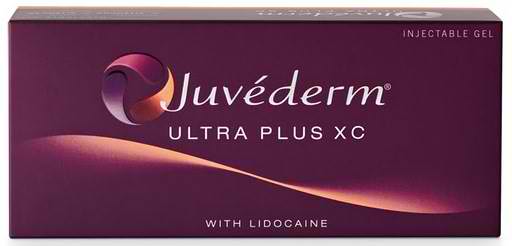
Juvederm Ultra XC: Year-Long Lip Fillers

The US FDA has approved Allergan's JUVEDERM® ULTRA XC for the injection into the lips and perioral area for lip augmentation in adults over the age of 21.

Allergan's trials show that results last up to a year in the lips, but as always, there are two sides to the coin.

Juvederm Ultra Plus XC

Since 2006, Juvederm formulations were already FDA approved for correction of moderation to severe facial wrinkles and folds such as parentheses lines around the nose and mouth. Then in 2013, the Juvederm XC for age-related mid-face volume loss was introduced.

Clinical trials for Juvederm revealed that 79% of subjects showed an improvement in lip fullness three months following the treatment. More than 78% of the subjects reported an improvement in their overall satisfaction with the smooth and natural look and feel of their lips at one year after treatment.

Executive Vice President & President, Allergan Medical Philippe Schaison said that:

As the leader in medical aesthetics, Allergan is committed to continued research and development in this area. Providing physicians and patients with premium products that allow them to achieve the aesthetic results they want is always our goal. Understanding that the desire with lip augmentation is to achieve a natural-looking and lasting result, we continued our research of JUVEDERM® ULTRA XC for the lips. With this approval, JUVEDERM®ULTRA XC is now the only filler that is approved to last up to one year in the lips while providing natural-looking results.

Juvederm Ultra XC contains a smooth gel formulation of modified form of hyaluronic acid (HA) and a small amount of lidocaine. The hyaluronic acid helps the skin to maintain its moisture and softness and the lidocaine acts as a local anesthetic to improve the comfort of the injection.

While the increase in the time between injections is going to be welcomed by patients, there are some physicians and clinics that might lose income since patients are not coming in as frequently. Additionally, these longer fillers might not be appropriate as a "first-time" filler for patients who are unsure if thy're going to love the effect. There's a big psychological difference between living with a change for a few months and an entire year. Still, the general increase in lenght is a good thing for clincs and patients who are familiar with the effects.

Scar Management Techniques for Surgeons

Each year, it is estimated that around 100 million people in developed countries acquire scars after undergoing elective surgery and surgery for trauma. In a purely cosmetic surgical procedure such as an aesthetic breast surgery, scarring is viewed as a source of dissatisfaction among patients.

Prevention and treatment of unaesthetic scar formation after an operation greatly rests on plastic surgeons who perform these operations. Scarring may have several unpleasant aesthetic and psychological consequences to the patients including diminished self esteem, stigmatization, anxiety and depression.

In a study published at Journal of Plastic, Reconstructive & Aesthetic Surgery, an international, multidisciplinary group of 24 experts developed a set of practical, evidence-based guidelines for the management of linear, hypertrophic and keloid scars which could be useful for surgeons, dermatologists, general practitioners and other physicians involved in the prevention and the treatment of scars.

Here are some of the results:

1. After a surgery, prevention of abnormal scar formation should be a priority. In an elective surgery, the position and length of scar is to be greatly considered. As much as possible, the incision should be parallel to the relaxed skin tension lines. During the operation, the surgeon should ensure that excessive tension on the wound edges is avoided. Several measures may also be done to reduce inflammation, provide rapid wound closure, reduce the risk of infection, and provide an early surgical wound coverage.

2. Following a wound closure, scar prevention consists of three phases: tension relief, hydration/taping/occlusion, and pressure garments. Recent studies show that offloading mechanical forces using a stress-shielding device made from silicone polymer sheets and pressure-sensitive adhesive significantly reduced scar formation. Also, the use of botulinum toxin A decreases tensile forces on post-surgical scars and results in significant improvements in the cosmetic appearances of scars compared with placebo injections.

3. Silicone products may help to prevent excessive scar formation by restoring the water barrier through occlusion and hydration of the stratum corneum and need to be used as soon as the wound/suture is healed. Moisturizing emollient and humectant creams and moisture-retentive dressings such as silicone sheets and fluid silicone gel have been shown to be beneficial for itching scars, and can also reduce the size and pain or discomfort associated with scars as well as improving their appearance.

4. Randomized studies in animals and humans have shown that ultraviolet radiation increases scar pigmentation and worsens their clinical appearance. A preventive measure of avoiding exposure to sunlight and the continued use of sunscreens with a high to maximum sun protection factor (>50) until the scar has matured is recommended.

5. For patients with linear hypertrophic scars who have further scar maturation after 6 months, silicone therapy should be continued for as long as necessary. For those with an ongoing hypertrophy, more invasive measures are indicated such as the use of intralesional corticosteroids. This is the only invasive management option which currently has enough supporting evidence to be recommended in evidence-based guidelines.

Additional injectable treatment options which may help to treat hypertrophic scars (and keloids) include bleomycin, 5-fluorouracil and verapamil, although the evidence to support these is currently more limited than for intralesional corticosteroids. If the patient develops a permanent (>1 year) hypertrophic scar, surgical scar revision may be considered.

Pressure therapy has recently been considered as an ‘evidence-based’ modality for the treatment of scars. The mechanism of its action remains poorly understood despite its widespread use around the world. Part of the effect of pressure could involve reduction of oxygen tension in the wound through occlusion of small blood vessels resulting in a decrease of (myo)fibroblast proliferation and collagen synthesis. Pressure therapy can also provide symptomatic treatment benefits such as the alleviation of oedema, itchiness and pain which may contribute to the patient's well-being.

Laser therapy is another invasive option which can be used to treat the surface texture of abnormal scars and may also be suitable for the treatment of residual redness, telangiectasias or hyperpigmentation. This has also been advocated for the prevention or minimization of both post-surgical and traumatic scars, and even in combination with botulinum toxin. An increasing number of articles being published on the successful management of hypertrophic scars with lasers is increasing the interest in this therapeutic modality.

6. Keloids are also best treated in centres with specialized expertise. Patients with growing minor or major keloids should first be treated with silicones in combination with pressure therapy and intralesional injections of corticosteroids. Some experts recommend that the lateral parts of keloids should not be excised, but should be joined together and left in situ. However, others have objected to this proposal and consider that the cells from these lateral parts of the keloid are more active in terms of collagen production.

Both electron beam irradiation and brachytherapy with iridium 192 can be used after surgical removal of the keloid to reduce recurrence rates. Objections were raised because of the potential risk of inducing malignancy but a study conducted has concluded that the risk of malignancy attributable to keloid radiation therapy is minimal.

Cryotherapy may also be used as an invasive treatment modality for keloids. In a study of 10 patients, scar volume was significantly reduced by 54% after one intralesional treatment with no recurrence over an 18-month follow-up period.

7. Silicone therapy is advocated as a non-invasive first-line prophylactic and treatment option for both hypertrophic scars and keloids. For non-invasive scar management options. silicone sheets and silicone gels are universally considered as the gold standard in scar management and the only non-invasive preventive and therapeutic measure for which there is enough supporting data to make evidence-based recommendations.

Silicone therapy is easy to use and is associated with only minimal side effects such as pruritus, contact dermatitis and dry skin. This therapy is believed to prevent and treat scars through occlusion and subsequent hydration of the scar tissue. Several clinical studies have indicated the beneficial effects of silicone gels in the prevention and treatment of scars. Several comparative studies with silicone sheets have shown that fluid silicone gels have at least equivalent efficacy although patients may find the gel formulations easier to use.

Scars may leave several psychological impacts on patients after their surgery. It is important that appropriate scar management measures are done and tailored to the needs of the individual patient and wound requirement. Preventive measures should be prioritized and applied before, during, and after wound closure.

For more details, you may visit:

http://www.jprasurg.com/article/S1748-6815(14)00173-9/fulltext

Motivations for Cosmetic Procedure in Numbers

Great news for Med Spa practitioners! American Academy of Facial Plastic and Reconstructive Surgery (AAFPRS) studies reveal that nearly 75% of adult men and women in Texas are considering or have had a cosmetic procedure on the face or neck. The other 25% of the 160 Texans surveyed are undecided, which suggests most people in Dallas have a never-say-never attitude about having nips and tucks.

Here are the survey results about the motivations why Texans are interested in aesthetic surgery:

  •  22% say that they were frustrated because of their pictures on social media
  •  31% of the men, compared to 19% of the women were more concerned about looking better in their selfies
  • 13% were motivated because of upcoming major life events, such as a wedding celebration, 
  • 15% were motivated to go under the knife, laser, needle and more in order to remain professionally competitive
  • nearly 33% of the men said they considered facial plastic surgery to stay competitive in the workforce, compared to 10% of women
  • 40% said they’re most bothered by their necks
  • 39% are bothered by their eyes
  • 33% are bothered by their lips, followed by noses and foreheads

According to AFPRS President Stephen S. Park, M.D., 

Over the last five years, the selfie craze has exploded across all age groups. Photographs on social media can deliver a distorted image of reality, holding up a magnifying glass to flaws, real or perceived. This is causing plastic surgery requests to skyrocket in both teens as well as adults.

More on:http://cosmeticsurgerytimes.modernmedicine.com/cosmetic-surgery-times/news/nip-tuck-survey-why-texans-want-treatment

Radiesse: FDA Approved For Hand Rejuvenation

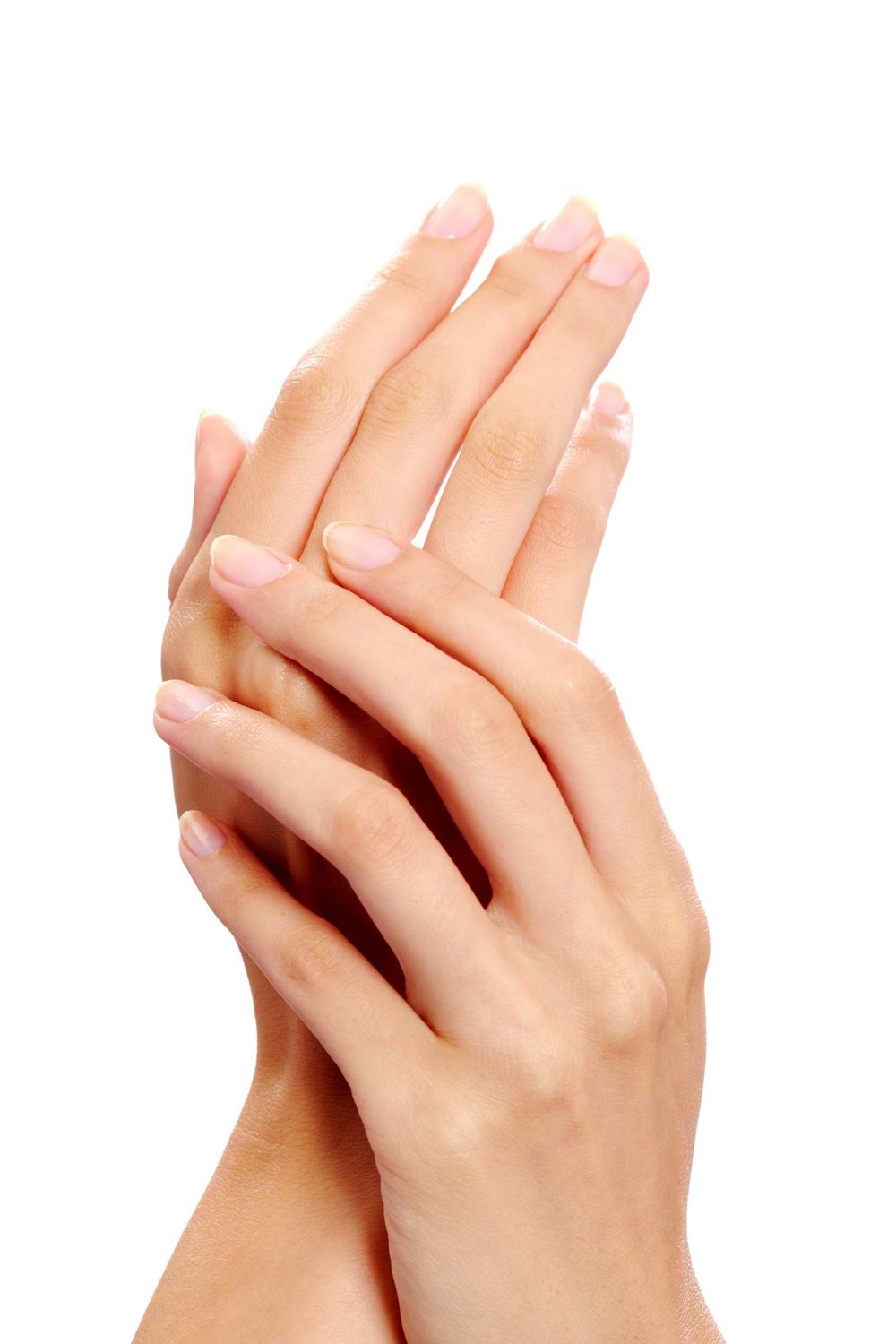
Radiesse is now FDA approved for "hand rejuvenation".

Radiesse is an FDA approved dermal filler for smoothening out facial wrinkles and facial contouring. Recently, Radiesse got its FDA approval, making it the only FDA-approved filler for the hands although hyaluronic acid has been used by physicans for years.

The product, according to its website, can hide visible bones and tendons, making the hands look more youthful and smooth. Radiesse utilizes a safe gel formula that contains calcium microspheres (CaHA). These can immediately create added volume and then stimulate the body to produce collagen which results in volume augmentation that can last for around a year.

According to board-certified plastic surgeon Dr. Brent Moelleken, MD FACS:

Radiesse is a great option as a filler for hands. It’s safe for all skin types, and leaves no obvious line between the hand and wrist. The hands are the last frontier, so-to-speak, and often give away the true age of a woman.

Depending on the severity of the volume loss, patients should expect to pay for about one to two syringes of Radiesse at an average cost of $800 - $1,200 per syringe for their hands.

Dr. Moelleken adds that because of the product's pliability and softness, it is a great filler which may also be used for deep filling in the face.

Patients are cautioned to seek out experienced and board-certified plastic surgeon in using the Radiesse hand filler because of the many veins, nerves, and arteries in the hand. During the clinical trials, patients showed swelling, redness, bruising and pain in injection sites.

Because of this recent development, cosmetic doctors may now offer enhancement and rejuvenation for both the hands and faces of their patients.

For more information, you may visit:

https://global.radiesse.com/treatment-options/hands#hands

FDA Approved Saline-filled Breast Implants

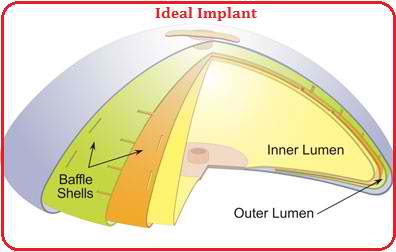
Ideal Implant Incorporated has recently announced the FDA approval of its Structured Breast Implant for use in the United States and Canada.

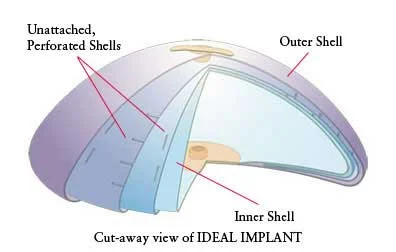
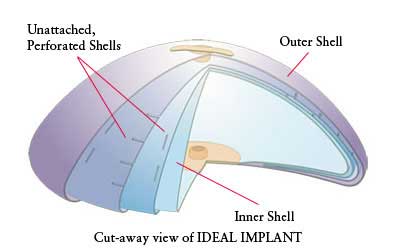
The breast implant was designed by a plastic surgeon and it is the first to provide women with the feel of silicone gel-filled implants combined with the safety of only saline inside. The natural feel of the breast implant is attributed to its patented unique design and internal structure which was a product of more than 10 years of research and clinical studies.

As to its design, the company's website provides the following:

Years of research and testing led to this innovative design, with a series of implant shells nested together and two separate chambers, which hold the saline filler. The internal structure controls movement of the saline, and is designed to reduce folding and wrinkling, thought to be the main cause of implant rupture and deflation. On the outside, the edges have been lowered for better contouring to the chest wall.

According to Robert Hamas, MD, a Dallas plastic surgeon:

Now, for the first time, women can have a breast implant that offers them a natural feel without silicone gel. It has only saline inside for their safety and peace of mind. Unlike silicone gel implants that have a high incidence of silent rupture that requires an MRI scan for detection, with the Ideal Implant, a women can look in the mirror each day and have the confidence of knowing her implants are intact.

In a study, patient satisfaction for those who received their first breast implants were at 94.3% while those who had replacements for their previous implants was at 90.6%. The high satisfaction rating among women were attributed to the natural feel of the implants coupled with ease of mind because of its saline-filled components. The surgeon satisfaction was also high at 95.9% for primary implants and 91.7% for replacements.


For more info,

you may visit www.idealimplant.com

or contact Adeena Fried, 917-633-4380, idealimplant@evolvemkd.com

Fear of the Unknown in Cosmetic Surgery

A study commissioned by CCR Expo reveals that only half of the women who are interested in cosmetic surgery actually undergo the procedure.

Aside from cost, CCR Expo research reveals that there is actually fear of botched treatment as seen in media, wariness in the results (patients fear that they might not like what they will see in the mirror), and not knowing if the practitioners themselves are qualified to perform the procedure.

The annual CCR Expo, or the Clinical Cosmetic and Reconstructive Expo 2015, will be held on October 8-9, 2015 at the Olympia National Hall, London, United Kingdom. Prior to the event, three surveys were conducted among to know the opinion of various individuals including aesthetic practitioners, medics such as general practitioners and dentists, and the women patients who constitute majority of the patients undergoing such treatments.

Notwithstanding the governments efforts to regulate and "clean up" the cosmetic surgery arena, research revealed that patients and practitioners alike have a lot of fears. This is attributed to the fact that the aesthetic sector is largely unregulated.

Practitioner's View 

  •  There are too many untrained cosmetic providers who perform procedures that damage the reputation of credible and qualified practitioners.
  •  There is a lack of training and expertise in the following: facial anatomy, diagnosing and coping with complications, wrong treatments, and the use of unproven products.
  • Medical colleagues see that there is a strong prejudice for practicing aestheticians and the later are regardes as "beneath them". On the other hand, the survey also revealed that colleagues saw the field as lucrative but they got scared to enter because of lack of knowledge.
  • 90% of the surveyed GPs and dentists had considered providing aesthetic treatments, yet they did not push through because of: lack of specialized training, concerns in tax regulations and botched jobs, not understanding its legal frameworks, and the marketing involved.

According to CCR Expo organizer Peter Jones:

We don’t necessarily encourage more clinicians to join the aesthetics arena, but our research clearly shows there is a strong desire for more clarity in the sector, alongside some understandable concerns. At CCR Expo our logic is, if you’re going to do it, then do it right! This is why we have put together a full programme and roster of experts who can offer support and guidance to those who do wish to enter this field, so they have the tools enabling them to practise ethically and safely.

Clinicians have honed their careers over many years – sometimes decades, and being protective of their reputation is entirely natural. We are here to help them train andmaintain their hard-earned standing, whilst also helping keep the public safe. They certainly deserve no less.

More on: https://www.prime-journal.com/fears-continue-to-grow-around-aesthetics-sector/

Risks: Cosmetic Procedure and Aging

Advances in medicine, increasing awareness of individual healthcare as well as techniques that promise less invasive procedures coupled with quick recovery have encouraged patients to enhance their appearance for personal and professional reasons.

According to a study published in the US National Library of Medicine National Institutes of Health, the younger population of women seeking cosmetic procedures are mostly concerned with the the shape and appearance of their bodies while their elder counterparts are concerned with their faces. Negative stereotypes and myths associated with aging are some of the contributing factors why older population are encouraged to undergo procedures such as facelifts, eyelid tightening, liposuction, and breast surgery.

Younger patients' complications rates are only half than those of their elderly counterparts. However, with regards to elective aesthetic plastic surgical procedures , research revealed that octogenarian patients are still safe with an acceptable complication rate compared to younger patients.

In a study conducted by Dr. Yeslev, et al from Vanderbilt University, Nashville, it was revealed that:

The elderly patient population had more men, a higher mean body mass index (BMI), a higher prevalence of diabetes mellitus (DM), and fewer smokers compared with the younger patients. The overall postoperative complication rate was not significantly different between elderly and younger patients. When stratified by type of cosmetic procedure, only abdominoplasty was associated with a higher postoperative complication rate in elderly compared with younger patients.

The study involved the participation of 6,786 elderly patients with ages ranging from 26 to 74 years. Also, comorbidities and postoperative complications in elderly and younger patient groups were recorded and compared.

Dr. Yeslev and his fellow researchers found that the most common postoperative complications in elderly patients were hematoma and infection. The overall postoperative complication rate in octogenarians was 2.2%, which was not significantly different from the younger population.

Cosmetic procedures involving elderly patients are still safe with an acceptable complication rate.

Read more at:


  • http://www.ncbi.nlm.nih.gov/pubmed/25911627
  • http://www.ncbi.nlm.nih.gov/pmc/articles/PMC2695163/


Filler Injections: Achieving the Ideal Lip Shape

Our lips provide competence to the oral cavity when we chew our food. They may also affect sounds and facilitate facial expression which help us communicate what we feel. Lips also have their own aesthetic value.

Earlier this year, the Kylie Jenner Lip Challenge went viral on the internet. People who took the challenge sucked the air out of a glass to create fuller lips that is said to be more attractive. Of course, everything did not go well for others because many attempts ended in painful bruisings and trips to hospitals.

Sucking glass cyclinders did not make Kylie's lips look plump - it was cosmetic enhancement that did it. In an interview with Cosmopolitan magazine, she admitted using a filler and advised others who want a similar look to try a filler that lasts about two to four months, in case they change their mind and want to give it up.

For dermatologists and Medspa owners who work with patients desiring for plump lips, giving advice to patients during patient consultation may boost patient satisfaction rate.

A study in Germany was conducted "to clarify what it is that makes lips attractive - and whether there are gender-related differences of an attractive lip and lower third of the face".

After patients' lip and chin regions were photographed and evaluated by voluntary judges through a Likert scaling system, the results showed that there were certain parameters of the lips that add attractivity of both male and female individuals. Further, gender-related differences were manifested in the form and shape of an attractive lower third of the face.


  • There is a significant higher ratio of upper vermillion height/mouth-nose distance in frontal-view images of attractive compared to unattractive female (p < 0.001) and male (p < 0.05) perioral regions.
  • Furthermore, the ratio of upper vermillion height/chin-nose distance was significantly higher in attractive than in unattractive female (p < 0.005) and male (p < 0.05) lip and chin regions.
  • The nasolabial angle was significantly sharper in attractive compared to unattractive female perioral regions (p < 0.001).
  • Attractive female lip and chin regions showed a wider mentolabial angle compared to unattractive female lip and chin regions (p < 0.05).
  •  Comparing men and women, we found that attractive female perioral regions showed a higher ratio of lower vermillion height/chin-mouth distance (p < 0.05) and lower vermillion height/chin-nose distance than attractive male perioral regions (p < 0.05).

Read more on: http://www.jprasurg.com/article/S1748-6815(15)00137-0/abstract

Make Sure Your Medspa Staff Meet Their Sales Goals

Technological advancement is all around us. It would be advantageous to make use of all the available online applications and technological trends to reach your clincs sales goals, rather than unduly stress yourself out by not utilizing the available tools at your fingertips.

ELECTRONIC NOTEBOOKS

Using electronic notebooks such as the Evernote suite may come in handy when you do some scheduling, note-taking, and even have effective meetings by presenting your work as it evolves. This app has also a voice recognition feature and even allows you to sketch a whiteboard type image to facilitate communication with your prospective client.

According to Evernote developers, this application allows you to bring your life's work together in one workspace. It also allows you to collaborate with your colleagues and create more opportunities for your team. Also, it has a function which allows you to keep track of tasks, and write notes without the need of the conventional pen and paper.

A comparable application to Evernote is Microsoft's OneNote which allows you to sync and open your notes while using a your computers, tablets and phones. There is also Springpad, an app which is designed to automatically guess what you have clipped from the web or uploaded to your notebooks and then organize it without your help.

SOCIAL MEDIA MARKETING TOOLS

When you would need to generate more leads and reach out to your potential customers, here are some tools that will help you reach your sales quotas: There are tools that allow you to monitor when your brand is mentioned on social networks, blogs, or forums.

The app Mention allows you to monitor your brand presence and even monitor keywords that you want to keep track of. If you have your own Twitter, Facebook, LinkedIn and Google account, Buffer is a social media tool that sends your updates to the your social networking sites. It also tells you when is the best time to make updates based on your updates.

Collaboration with your team can also be done so your accounts are up to date. Other tools include Feedly for content discovery, Twitter Counter for tracking the progress of your tweets, and Bottlenose which displays information based on its order of importance.

A provider of marketing intelligence service such as InsideView and Data.com may help you in making decisions about your sale territory because these provide your with valuable marketing data useful in accelerating your sales.

Using these available and easy-to-use technologies may greatly improve your business' performance. With these apps, ease of communication and coordination among you and your members is facilitated, making it easier for your to achieve your sales targets.