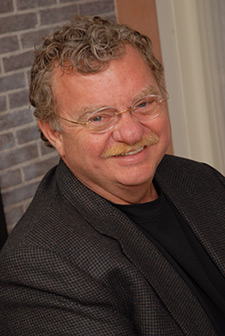
Wilfred Brown, MD, FACS: Plastic Surgeon In Connecticut & New York

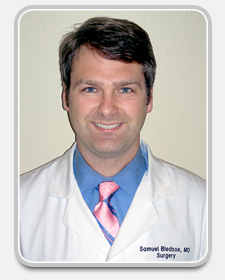
Dr. Wilfred Brown has a medical spa and plastic surgery practice in Middlebury, Connecticut and belongs to New York Aesthetic Consultants, a group practice in Manhattan's Upper East Side.


Splitting time between two practices in different states poses some challenges.

Name: Dr. Wilfred Brown
Location: Middlebury. CT and New York, NY
Website: thenyac.com; drwilfredbrown.com

That's Interesting: Dr. Brown completed his medical training at the University of Witwatersrand in Johannesburg, South Africa then six years of General Surgery training through Yale University, followed by a fellowship in Plastic and Reconstructive Surgery and Pennsylvania State University.

Read More

Planning Ahead For Equipment Failures

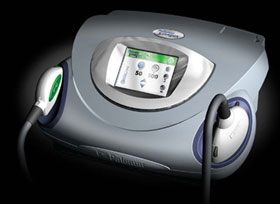
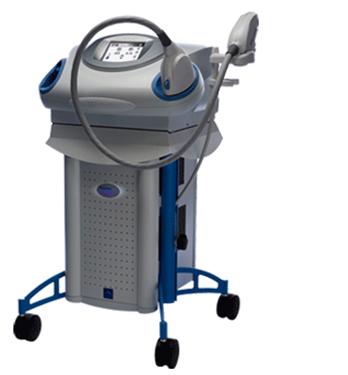
It's inevitable. At some point your cosmetic laser or IPL will go on the fritz. Then what?

About half of the people I speak to every day are medical spa owners. The nature of my job pretty much implies that most people calling me are in some type of situation they would consider an emergency. Most have just one cosmetic laser or IPL, a schedule full of customers, and no time. A week of searching for a repair company or technician can put a medical spa in a very bad situation. Unexpected service expenses are not so... they should be expected, but they are ignored.

How does one prepare for such unforeseen expenses as the need for a laser cavity rebuild, a power supply repair, or laser rod resurface- all repairs that can result in at least a week of downtime? This problem can best be remedied at the time of purchase, but most of you are far beyond this point. There are few options, but there are options.

The very best option in contingency planning for unexpected repairs is to warranty your devices. This is best done when purchasing your new or used laser- new lasers should come with a minimum 12 month warranty, and you should never purchase a used laser from a company that cannot offer at least a 6 month warranty after purchase. Many dealers and third party service companies now offer warranties on a wide variety of laser makes and models, but to know who offers what you may have to ask around. Some of these third party warranties offer more for the money than the original equipment manufacturer warranty, but come with the caveat that there are parts that may not be readily available at all times.

Another option to consider, even if you have a warranty, is a backup unit or rental. If you can only afford one laser, teaming up with local colleagues is one way to alleviate this problem. If you have a Cutera Xeo, for example, you can seek out colleagues in your area who also use the Cutera Xeo and together purchase a standby unit that is only used in case of emergencies. You might also ask your warranty company if they are capable of providing loaner units while yours is in repair.

The third option to consider is leasing your unit. Under a lease, you are not directly responsible for all the maintenance. In case of emergency, the leasing company should be able to provide a loaner or temporary unit. I am not referring to a lease as in taking out a loan from a bank to pay for what will be your laser- I mean leasing the laser from an owner who will handle all the maintenance should anything go wrong. These kinds of arrangements do include clauses where you may be responsible for negligence, equipment abuse, and misuse, but most lasers fail because of normal wear and tear.

Of course, none of these options will alleviate every emergency situation. The best course of action may be a combination of these options, or all three. Even though there is no catch all, HAVING a plan, or at least being aware of the possibility of an unforeseen expense is more than ignoring the possibility in it's entirety.

Have a question? Please leave a comment.

Top 5 Cosmetic Surgery Treatments In 2011

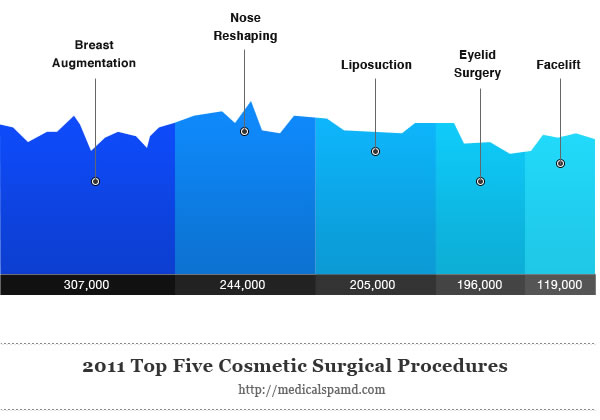
According to the American Society of Plastic Surgeons cosmetic surgical procedures increased 2 percent, with nearly 1.6 million procedures in 2011. The top five surgical procedures were:

• Breast augmentation (307,000 procedures, up 4 percent) 
• Nose reshaping (244,000 procedures, down 3 percent)
• Liposuction (205,000 procedures, up 1 percent)
• Eyelid surgery (196,000 procedures, down 6 percent)
• Facelift (119,000 procedures, up 5 percent)


Interview With Barbara Strafella: Permanent Makeup & Medical Spas

Barbara Strafella

Permanent makeup has made an appearance in a number of medical spas and clinics. Does it have a place in your practice?

Permanent makeup spans a gamut from cosmetic eyeliner to aesthteic treatments like areola repigmentation after mastectomies. While not a medical treatment, there's always some interest about adding aesthetic treatments that patients may be interested in. In this interview we wanted to find out more about what permantent makeups offer, and where (if anywhere) they may fit inside a clinic.

Name: Barbara Strafella, DAAM, CPCT, LMTA
Location: Staten Island, NY
Website: iwakeupwithmakeup.com

Read More

Thomas Lamperti, MD: Lamperti Facial Plastic Surgery In Seattle, Washington

Thomas Lamperti MD Plastic Surgeon

Dr. Thomas Lamperti specializes in facial plastic surgery with clinics in Seattle and Bothell Washington. 

Physician: Dr. Thomas Lamperti
Clinic: Lamperti Facial Plastic Surgery
Location: Seattle and Bothell, WA
Website: 
drlamperti.com

That's interesting: Dr. Lamperti participates in "FACE TO FACE: The National Domestic Violence Project". Formed as a partnership between the American Academy of Facial Plastic and Reconstructive Surgery Foundation and the National Coalition Against Domestic Violence, FACE TO FACE surgeons offer consultation and surgery, pro-bono, to eligible victims of domestic violence.

Read More

Dr. William H. Truswell: Aesthetic Laser & Cosmetic Surgery Center In Massachusetts

William H. Truswell MD, FACS, limits his practice to facial plastic surgery.

Dr. William H. Truswell Northampton MA Board Certified Facial Plastic SurgeonA Massachusetts plastic surgeon who's also running a medical spa? We got together to see what Dr. Truswell has learned in 30+ years in practice. 

Name: William H. Truswell MD, FACS
Location: Northampton, MA
Clinic: Truswell Aesthetic Laser & Cosmetic Surgery Center
Website: truswellplasticsurg.com

That's interesting: Dr. Truswellis the autor or co-author of several books including: Your Complete Guide To Nose Reshaping, Your Complete Guide To Facial Rejuvenation, Your Complete Guide To Facial Cosmetic Surgery, The Non-Surgical Facelift, and Surgical Facial Rejuenation.

A believer in returning something to the community, Dr. Truswell participates in Face to Face, the pro bono domestic violence program of the American Academy of Facial Plastic and Reconstructive Surgery. He has performed numerous reconstructive procedures for victims of domestic violence. These women are referred in from recovery programs, are completely separated from their batterers and are working to restore their self esteem. That recovery is helped by erasing the physical evidence of beatings such as scars, deformed noses and unset facial fractures.

Read More

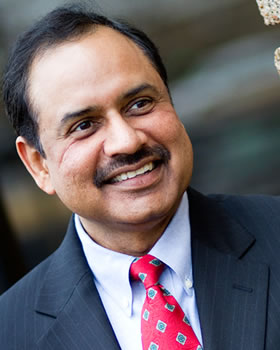
Dr. Ram K. Reddy: Yuva Medical Spa In Athens, Georgia

Name: Ram K. Reddy, MD
Clinic: Yuva Medical Spa
Location: Athens, GA
Website: yuvamedicalspa.com

That’s interesting: Dr. Reddy specializes in the field of Internal Medicine and Geriatrics and also focuses on diabetes, hypertension, cardiovascular diseases, and preventive medicine. He was awarded the Diabetes and Cardiovascular Research Award by the Georgia Diabetes Coalition and holds an honorary position as Associate Professor at Mercer Medical School.

Read More

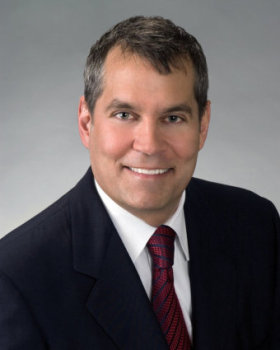
Brian Howard MD FACS, North Fulton Plastic Surgery

Dr. Brian Howard FACS

Dr. Brian Howard runs his solo-practice in Roswell, just outside of Atlanta, Georgia.

Dr. Brian Howard is boarded in both plastic surgery and otolaryngology. In this interview we got together to find out what he thinks of his practice, cosmetic technologies and staff compensation.

Name: Brian Howard, MD, FACS
Location: Roswell, GA
Website: drbrianhoward.com


That's interesting: Dr. Howard is a recipient of the Outstanding Research Award given by the American Academy of Facial Plastic and Reconstructive Surgery and was recognized by the Consumer Research Council of America as a Top Physician.

Read More

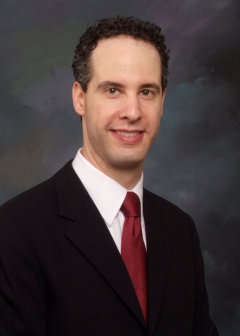
Dr. Adam D. Schaffner: Juva Plastic Surgery & Medical Spa In Manhattan

Double board certified in Facial Plastic and Reconstructive Surgery and Otolaryngology, Dr. Adam Schaffner is the Director of Juva Plastic Surgery in NYC.

Dr. Adam D. Schaffner: Juva Plastic Surgery & Medical Spa In Manhattan

Name: Adam D. Schaffner, MD FACS
Clinic: Juva Plastic Surgery
Location: New York, NY
Website: drschaffner.com

That's interesting: Besides being the Director of Plastic Surgery at Juva, Dr. Schaffner is clinical assistant professor of otolaryngology at Weill Cornell Medical College, the medical director of Reconstructing Hope and on the medical advisory board of the Little Baby Face Foundation.

Juva Skin & Laser Center is well known as one of the first 'medical spas' 

Read More

Every Day Maintenance Of Your Cosmetic Lasers & IPLs

Your cosmetic lasers and IPLs need some basic care and maintenance. What should you be doing?

Many people ask me if there is anything they can do to prevent their laser from breaking down without having to call in a technician every time. While there is not much you can do for normal wear and tear breakdowns, there are a few things you can do that will ensure your unit is in top condition between maintenance checks. This is in no way intended to replace any manufacturer's recommended periodic operator maintenance procedures, nor is this intended to replace periodic maintenance in any way. I still recommend that every laser used on patients should be checked every six months by a trained professional.

Basic checks on your laser can be broken down into modules. To make certain practices a habit, most people need to know why they are performing a task. I will first break down basic laser systems into the 5 modules that make up every laser, and then the basic things you can do to maintain these modules:

Power Supply / Exciter

Stimulated emission of radiation occurs when a lasing medium is excited, and forced to release it's own photons in a wavelength specific to that lasing medium. CO2 lasers, for example, use either an RF exciter, or a DC exciter. Yag lasers use a high powered flashlamp- it is not the flashlamp light that is collimated and amplified, rather the flashlamp excites the Yag crystal and forces it to release photons in wavelegnth specific to the crystal, ie. 1064nm. An exciter can also be a chemical reaction, as with Excimer lasers (excited dimer). A bad power supply will result in some obvious errors like the laser not powering on, but it can also result in intermittent issues or problems more difficult to find like peak power settings not being selectable, or certain pulsewidths not being available.

What can you do to maintain your power supply? Power supplies are mostly affected by wall outlet power. Ensure you are using medical grade power outlets, and a dedicated line. A medical grade outlet will be indicated by a green dot on most 110VAC outlets, but 220VAC outlets will not have this dot. For 220VAC systems, make sure you are getting "healthy" power... that is anywhere between 218VAC and 237VAC for most systems. I don't know of any systems rated for higher than 240VAC, but I have seen power as high as 247VAC at some facilities. This is not acceptable, and power should be maintained in the safe zone for your laser. This info is available in your operator's or service manual.

Laser Cavity / Resonator / Laser Head

This is the heart of your laser. This consists of your lasing medium (crystal, dye, or gas), a highly reflective surface or HR mirror, and an output coupler or partially reflective surface. Oftentimes the flashlamp will be in the laser cavity itself as with Yag and Alex lasers. Many issues with other system modules will cause problems in the laser cavity. The worst enemies of your laser cavity are heat, and of course, time. An old, worn, or dirty laser cavity will overwork your power supply which is working extra hard to excite your medium because the internal test results are low. This may result in power output errors, detector mismatch errors, flashlamp ignition errors, etc.

What can you do to maintain your laser cavity? The best way to maintain your laser cavity is to monitor your power output over time. Have your laser checked every six months by a trained professional, and at least once a year, have them inspect the internal condition of your cavity. Though you may get an unexpected expense at a random six month interval it is much better to catch problems during these inspections rather than having your unit shut down during a case, and resulting in canceled appointments. Maintaining your other subsystems also extends the life of your resonator.

Optics Train / Beam Path Optics

These are the optics between your laser cavity, and your delivery optics. Some laser don't have anything more than a fiber focus lens between the output coupler and fiber. The Cynosure Apogee Elite, for example, on the Alex side, has nothing more than a surface output coupler (a partially reflective surface on the output side of the Alexandrite crystal), and from there the beam goes into a fiber focus lens, and directly into the fiber. A Cutera Xeo's crystal is different- it requires an external output coupler, and a rear HR mirror. The beam bath also takes two turns before it reaches the fiber focus lens. CO2 lasers, and some Erbium lasers use an arm. Every knuckle in the arm has a mirror that can be adjusted and may require cleaning over time.

What can you do to maintain your cosmetc lasers optics? Best advice- keep your room lint and dust free. I can't emphasize this enough: KEEP YOUR PROCEDURE ROOM FREE OF DUST AND LINT. Clean up as much as possible. Wipe down your system as often as possible. Change any filters that can be changed, and clean others (this includes office HVAC system filters). To preserve alignment, take care when transporting the laser, and the best thing you can do is not transport it at all.

Delivery Optics

This may consist solely of your handpiece, but in some cases (as with an arm) it may consist of a train of mirrors. The fiber focus lens is also part of the delivery optics. Problems with the beam path and delivery optics will result in calibration errors where a handpiece calibration is required, or diminished output not readily noticeable to the operator in some cases. In other cases, a bad alignment may cause heat, burning in the handpiece, and other issues noticeable to the operator.

Besides the same advice I can give for the beam path optics, take care not to drop your hand piece! If you have a laser with an arm, PARK THE ARM before moving your laser around. Stow the arm safely when not in use. Clean your hand pieces after every patient. Replace blast shield windows periodically. Replace distance gauges more often than you think necessary- it is better to replace distance gauges than it is to replace hand piece optics. And FYI- any dirty optic will have an effect on the entire laser train.

Cooling System

The cooling system in most lasers consists of a water reservoir, a heat exchanger, a water pump, a water level detector, a water pressure detector, DI and/or particle filters, and tubing throughout the system. Some cooling systems include a heating element as well to maintain a specific temperature (as with Alex systems). Distilled water is normally used to fill these systems, but some manufacturers may require a coolant additive as well. The cooling system is often used to cool the laser cavity, handpiece (in some lasers), and power supply (in some lasers).

To maintain your cooling system, the best thing you can do is use reagent grade deionized water. When that is not realistic, use NOTHING less than distilled water. Again, replace any replaceable filters, and clean any that are not. Clean your heat exchanger/ratiator as often as possible, and never let a blanket of dust form on your radiator. Another thing you can do is grab a voltmeter, set it to read Ohms, stick your leads in the water reservoir about an inch apart from each other and read your resistance. The ideal resistance for Deionized water is 2MOhms. If it is lower than 1MOhm, I would recommend replacing the DI filter and possibly the particle filter as well (if there is one).

I know none of these things are actually going to prevent a catastrophic/emergency failure, but they may help you avert one, or at least be aware when one is looming. Heat, time, dust and movement is what will eventually take out your laser. These are just ways to avoid letting these things run your laser down prematurely.

Questions about any of this? Please leave a comment.

Dr. Naila Malik, Cosmetic Physician & Skin Care Entrepreneur In Texas

Naila Malik MD

From family practice to cosmetic medicine, Naila Malik MD has come a long way. 

As a family practice physician who has made a switch to cosmetic medicine, Dr. Malik has built both a thriving practice and found the time to launch her own skin care line. We wanted to learn how she did it.

Name: Naila Malik MD
Location: Southlake, TX 
Website: nailamalikmdskin.com

That's interesting: Dr. Naila Malik had both an MD in the US and a MBBS (MD) degree in Pakistan. She's also launched her own line of Naila MD skin care line.

Read More

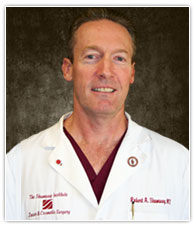
Robert Alan Shumway MD FACS: Cosmetic Surgeon In La Jolla

Dr. Robert Shumway is a cosmetic surgeon in La Jolla California.

Name: Robert Alan Shumway, MD, FACS, FAACS
Location: La Jolla, CA
Website: shumwaycosmeticsurgery.com

That's interesting: Dr. Shumway has personally performed well over 3,500 TransUmbilical Breast Augmentation (TUBA) procedures and has taught Cosmetic Surgery at UCSD, UCLA and Duke.

Read More

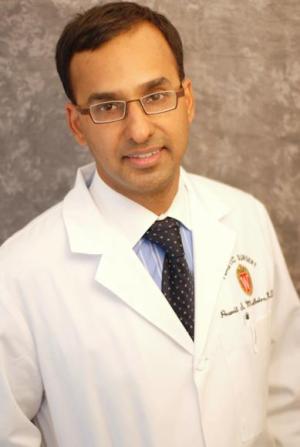
Dr. Pramit S. Malhotra: The Malhotra Center For Plastic Surgery In Michigan

Dr. Pramit S. Malhotra: The Malhotra Center For Plastic Surgery In MichiganPramit S. Malhotra MD is double board certified as a plastic surgeon and otolaryngologist with clinics in Ann Arbor and Jackson Michigan.

Dr. Malhotra was named a top plastic surgeon by the Consumer Research Council of America in 2009. We wanted to find out how this busy plastic surgeon manages two practices and what he thinks about the state of cosmetic medicine.

Name: Pramit S. Malhotra MD, MS
Location: Ann Arbor and Jackson, MI
Website: annarborplasticsurgery.com


That's interesting: Dr. Malhotra is an author of over a dozen publications for professional medical journals on topics including Botox, rhinoplasty, and head and neck cancers.

Read More

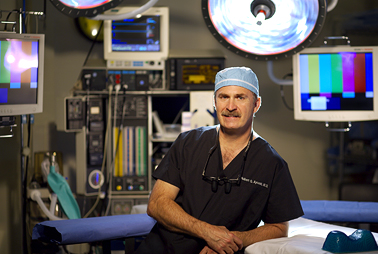
Robert G. Aycock, MD, FACS: A Plastic Surgeon In San Francisco

Bay Area plastic surgeon Dr. Robert Aycock shares his thoughts and choices about plastic surgery, medical spas and cosmetic lasers.

Robert G. Aycock Board Certified Plastic Surgeon California

Performing surgery since 1988, Dr. Aycock operates two locations in San Francisco and was voted "best plastic surgeon in the Northbay" in 2008. 

Name: Dr. Robert G. Aycock
Location: Walnut Creek and Greenbrae, CA
Website: aycockmd.com

That's interesting: Dr. Aycock was recognized in Forbes Magazine as one of The Ten Most Dependable Plastic Surgeons of the Western United States. He's also a trainer for Botox Cosmetic and dermal fillers.

Read More

Learning From Physicians Worldwide: Unhappy Patient? If You're In Mexico Just Call The Cops.


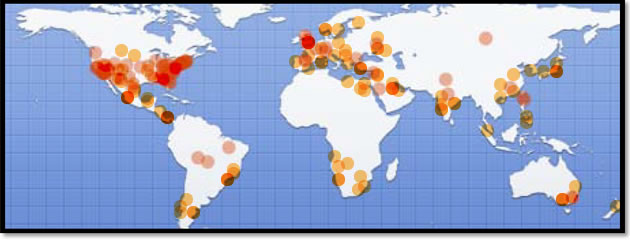
Medical Spa MD Physician Member Distribution Map

Medical Spa MD's physician community is worldwide. This poses some interesting challenges and some opportunities to learn how medicine is practiced elsewhere.

If you're not already aware, Medical Spa MD has physician members from 70+ countries... meaning that there are a number of differences in the way that medicine is practiced across the community. The map above shows some of the distribution of Members by location. The reason that I bring this up is to highlight that there are differences between where and how members of our community practice medicine. 

Let me tell you a story or two about some of these differences.

In Mexico, plastic surgeons are less worried about being sued.

A few years ago at a major cosmetic medical conference in Las Vegas with very well known physicians presenting. I atteneded a presentation by a plastic surgeon from Mexico discussing one of the new (at that time) suture plication techniques for facelifts. I'll call the presenter Dr. M.

During this surgeons presentation, Dr. M discussed case study after case study in a way that made it apparent to every other doctor in the audience that he was in fact 'experimenting' on patients in order to guage how results would differ with different techniques.

Dr. M was detailing how he had arrived at what he felt was the optimial technique by identifying likely canditate patients, offering them a greatly reduced price, and then basically trying out a different technique to determine an outcome. The clear message was that he was just trying different things out to see what worked and what didn't work, i.e., experimenting on patients.

You could see a lot of slightly raised eyebrows in the room.

As is usual after a conference presentation, a group formed around Dr. M after his presentation to ask follow up questions or make a connection. After a couple of handshakes the questioning started to revolve around a very specific theme. The US physicians (the very clear majority since we were in Vegas) began asking questions that expresed a large amount of skepticism that they could have interpreted the presentation correctly. Namely, that any plastic surgeon could be performing experimental treatments on patients in the way that he'd described. (I should clearly state that Dr. M indicated that he clearly informed all of these patients of what he was doing and got their consent.)

The physicians weren't really challenging this physicians techniques or professionalism as much as questioning Dr. M about his patient practices and wondering how he could actually get away with this with his malpractice insurance and medical regluatory agencys.

The questions started to revolve around patients who were unhappy with their outcomes and how this physician was handling them. Dr. M freely admitted that there had been any number of failures and that some patients had had poor outcomes and were unhappy but expressed the sentiment that that was really not a big deal.

The US physicians were somewhat incredulous and one slightly exaperated physician asked, "What do you do if they come back to your office and complain?"

"We call the police," he said nonplussed.

Raised eyebrows all around.

Now, to be fair, Dr. M's answer was really based on his perception that the question was about a patient raising hell in his clinic and that answer would be the same answer that any physician would give, but the incredulity that prompted the question was really about how any doctor could get away with performing experimental procedures without being sued out of existence.

What's even more eye-opening to a lot of American physicians was that Dr. M had never been sued.

If you're a plastic surgeon in the US and you've been practicing for a while, the odds are good that you've been sued by a patient and if you're practicing new treatments that could be defined as experimental as a plastic surgeon, you're going to be sued... and dropped by your malpractice carrier. It seems that if you're a plastic surgeon in Mexico you don't have the same considerations to deal with. 

Does it mean that plastic surgery outside the US is less safe? Possibly, since there's no other country that regulates the practice of medicine the way that the US does, but it's also the case that many of the 'medical tourism' destinations are staffed by US trained physicians. (If anyone has stats on this I'd be interested to see them.) There are a growing number of hospitals outsourcing xrays to radiologists in India, medical tourisim is increasingly mainstream, and US physicians are traveling outside of the US for trainings.

Medical Spa MD has members around the world. If you're smart, you'll take the opportunity to learn from everyone, no matter where they are.

Read: Plastic Surgery Malpractice Lawsuits In The US & Canada

Read: "Hello Doctor. I Wouldn't Hesitate To Sue You."