Sun Exposure & Sunblock: Great Info For Your Patients

Importance of Sunscreen/Sunblock

I reviewed a Special Report insert in the April 2011 The Dermatologist journal that was very informative about the need and use of sun protection. It details the difference in effects of UVA vs UVB rays. I will summarize the main points. It is critical to educate patients about the following information.

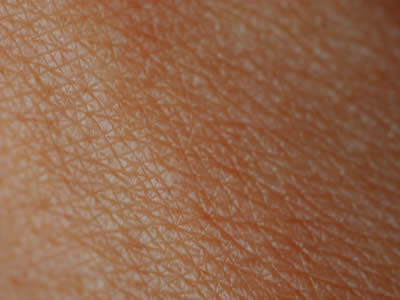
UVA and UVB are the rays that are important in skin disease and aging. UVA comprises 96.5% of UV radiation and UVB comprises only 3.5%. (Remember that SPF only tells you how much of the UVB is blocked, although UVB is important in damage to the skin). UVA can penetrate glass and reach the skin’s dermis, while UVB cannot. UV radiation causes DNA damage, immunosuppression, and sunburn.

After UV exposure, melanin (pigment) synthesis is a mechanism to combat UV damage. Melanin blocks UV and scatters UV radiation to prevent damage. This is why darker skinned individuals do not sunburn as easily and do not show as much sun-induced aging and skin disease/cancer. UV-induced immunosuppression is associated with increased risk of skin cancer.

Read More

Sun Protection

“But I love the sun!” ….is a phrase I hear in my office all too often - especially this time of year. My usual reply: “well, the sun doesn’t love you…” Skin cancer rates are on the rise. During the recent past, doctors have become increasingly aware of the increase in the rates of skin cancer in the United States, and have stressed the importance of the need for protection from ultraviolet (UV) radiation. The harm caused by UV includes premature aging (such as wrinkling and age spots), skin cancer, and permanent, sometimes blinding, damage to eyes. Doctors everywhere agree that education is critical to stopping the epidemic of sun related diseases - especially skin cancer. As to the actual physiological effects of UV radiation on the skin, I’ll spare the scintillating details. Suffice it to say that the sun ages our skin undoubtedly more than any other environmental factor. So, just in time for the summer, let’s come with and implement a sun safety program.
Read More

Dr. Anna Rosinska Of Body Focus Laser & Longevity Center In Midland Texas

Dr. Anna Rosinska Board Certified Physician Midland, TexasOA dermatologist from Poland, Dr. Anna Rosinskas aesthetic practice also offers medical weight loss and wellness medicine in Texas.

Name: Anna Rosinska
Clinic: Body Focus Laser & Longevity Center
Location: Midland, TX
Website:askDrAnna.com

Personally, I’m most interested in integrative medicine, which is the combination of traditional medical therapy with complimentary natural components that address each patient in a holistic way.

That's interesting: Dr.Rosinska was voted a Silver Medalist in Midland’s Top 100 Businesses and Personalities in category for Midland’s Favorite Physician in Year 2008. Dr.Rosinska was also voted a Gold and Silver Medalist in Midland’s Top 100 for 2009 (Best Physician and Weight Loss Clinic) and Silver Medalist in Weight Loss Clinic category in 2010 .

Can you tell us a little bit about how your interest grew in cosmetic medicine?

I always had an interest in weight loss and as one of the very few female physicians at that time in our area I had huge female patient population. My ladies were frequently complaining about

Read More

Interview With Serbian Board Certified Plastic Surgeon, Dr. Gorana Kuka.

Gorana Kuka MD, Board Certified Serbian physician

Dr. Gorana Kuka works in private plastic surgery practice at the Colic Hospital with patients coming from around Europe.

Name: Gorana Kuka, MD
Clinic: Colic Hospital
Location: Belgrade, Serbia
Website: dr-colic.com

That's interesting: Dr. Gorana Kuka is board certified by Serbian Medical Society.
She is a member of ISHRS (International Society for Hair Restoration Surgery), IPRAS (International Confederation for Plastic, Reconstructive and Aesthetic Surgery) and a women for women organization that aims to supply help by female surgeons to patients.

Your website is translated in eight different languages including English, German, French, Russian and Italian. Where do your patients come from? Are you seeing 'medical tourism'?

Since around 60% of our patients are coming from abroad, we had to translate our webpage into different languages. Most of our patients come from Switzerland, Germany and Austria. Some of them are of Serbian origin and some of them are foreigners. They have found about us either from their Serbian friends living abroad, or looking through internet for aesthetic surgery of best quality and lower fees.

Read More

What's Your Gimmick Doctor?

Anyone running a private practice in plastic surgery now should be quick to realize that the media can be a powerful resource. 

The sad fact is that the public does not know of your talents unless you let them know about them. My father's long held statement that "the cream floats to the top" is naïve to say the least. People do not know the best. They only know the doctors of whom they have heard. They just assume that they are the best. Sometimes they are. Sometimes they aren't.

Early in my interactions with the media, it was apparent that they prefer to feature "breaking news items." Their definition of breaking news is something new and different.  Most of us in medicine know that these "breaking news items" we see tend to more often be not-so-new news. Some are factually incorrect. You may also add unadulterated bull pucky. Breaking this news to your friends in the media will get you rarely featured unfortunately.  They want what they want.

When dealing with the media, they in essence want to know "what's your gimmick?' They want a pitch. They want a story. Those who are more successful with them give them what they want. I give them the truth branded somewhat with my opinion. So I have made the truth my gimmick. It may not be so frequently successful, but I sleep well at night.

Adipose-Derived Stem Cells In Cosmetic Surgery: Ready For Prime Time?

Are adipose-derived stem cells in cosmetic surgery ready for prime time use in your cosmetic practice?

Google “aesthetic stem cell treatments” and you will be greeted with a panoply of therapeutic offerings ranging from mundane to fantastic. Injecting your own adipose derived stem cells can lift your face, tighten your skin, enlarged your breast, slow the ageing process and even put some zip in your libido if injected into anatomically correct nether regions. Cosmeceutical manufacturers are even putting non-viable stem cells into facial creams hoping to knock 10 years off your visage. These marketing claims have captivated the public with the promise of a minimally invasive fountain of youth.

Adipose-derived stem cells are multipotent and possess the ability to differentiate into fat, bone, cartilage, nerves and pancreatic tissue.  They also secrete cytokines that are angiogenic, antioxidative and immunosuppressive. They release a whole host of growth factors that facilitate wound healing and tissue regeneration. Stem cells hold great clinical potential and offer considerable commercial possibilities.

We are all very enthusiastic about the promise and potential offered by the emerging field of adipose- derived stem cell science. Encouraging data from hundreds of ongoing international trials support a bright future for aesthetic and regenerative applications and real progress has been made in developing methodologies and protocols for every day clinical use. Yet many are advising caution.

A recent review in Plastic and Reconstructive Surgery notes that there is considerable uncertainty about the true clinical potential of adipose-derived stem cells and too much remains unknown about their fundable biology to be used safely and reliably. There are several contradictory studies about whether these cells promote or repress cancer growth. There are no standard protocols yet developed for adipose-derived stem cell applications. We still are unsure of the number of cells required per treatment or how many treatments are needed to achieve a desired clinical outcome predictably. In short, we are not quite sure what we are doing yet with adipose-derived stem cells despite the encouraging science and our best intentions.

A lot remains unknown about how to effectively and safely use this new technology. To market aesthetic stem cell procedures outside of clinical trials to the public seems a bit deceptive considering the current state of the art. What do you think??

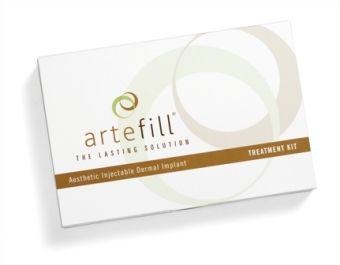
5 Years Of Good Experiences With Artefill (PolyMethylMethacrylate)

I've been using Artefill for volume with good results for the last 5 years.

On a recent chart and procedure review, I looked critically at the use of fillers in my practice over the past 5 years. I use HA's (Hyaluronic Acids) mainly for lips; some Sculptra (activator) for volume in thicker facial tissues; lots of Radiesse-everywhere except the lips; some PRP and an increasing amount of Artefill (except for lips) to take care of patients suffering from both "filler injection fatigue" and significant volume loss.

As part of a regieme of (re)creating Beauty using the CT3+V=Beauty, Color Correction, Texture, Tightness, Tone + Volume, VOLUME is a key player for rejuvenating the facial shape and contours, putting the skin on stretch-which restores texture, tone and luster, and is often more economical (social down time and real money) for patients with less risk. When coupled with smaller lifts, blephs and various resurfacing, the overall result is synergystic, less traumatic, equally dramatic and probably more rejuvenating than any other single element taken to it's maximal benefit alone.

It is illegal to inject silicon for aesthetic use in Nevada, so Artefill is my only choice for "permanent" revolumization. Interestingly, when I discovered how well my early Artefill patients were doing, I started using even more of the product and pricing it aggressively so that patients could afford to get significant corrections with 6 to 12 syringes. Overall, it ends up being less expensive for the patient than what they spend on restoring volume with temporary gels.

We have patients out nearly 5 years, who have maintained good correction from their initial injections with this FDA approved version of poly-methyl methacrylate. While the FDA approval of this filler is for correction of nasolabial folds, I have used it off label all over the face, the dorsal hands, for horizontal necklace lines and depressed scars.  I have learned from other talented physicians, the techniques of deeper, comfortable injections that lead to significant permanent correction of temple, peri-orbital, glabellar, zygomatic, malar and "tear trough" volume. More deflated patients have avoided rhytidectomy by using up to 20 syringes. My own 56 year old, jolly cheeks enjoy 6 syringes of this material done over a year ago. My wife, though a Grandma, appears more than a decade younger than her stated age. She is a walking example of combining modalities without major surgery and a great educator for my patients.

Perhaps physicians are rightfully afraid of long lasting/permanent fillers considering the horror stories of previous products. However, any laser or scalpel carries the risk of permanent poor aesthetic outcome. And this ain't your traditional, poorly tested filler. It's got data approaching 10 years outside the US which is devoid of serious complication. The risks that do show up with this filler are generally avoided with good technique. Last year, I shot nearly 600 syringes of Artefill without any unexpected issues-just some bruising and discomfort. No granulomas, lasting nodules, sloughs, Tyndell Effect or infections... ever, so far.

So maybe the well trained hand, wielded by an artful and educated physician in the service of the well educated patient is a mitzvah (a good and honorable deed). After all, what patient enjoys quarterly mammograms or DRE's, anymore than the patient who comes to the office every 3 to 6 months to maintain their lip and tear trough filler?

Lasting corrections, done conservatively, with safe, evidence based products, should be more widely offered and utilized. They benefit select patients by allowing them the chance to (re)build their volume once and maintain it, rather than recreate it over and over. They still top off the small volume we all continue to lose, but they now find other services in the practice to utilize because they are so happy with their Artefill results.

I know I am.

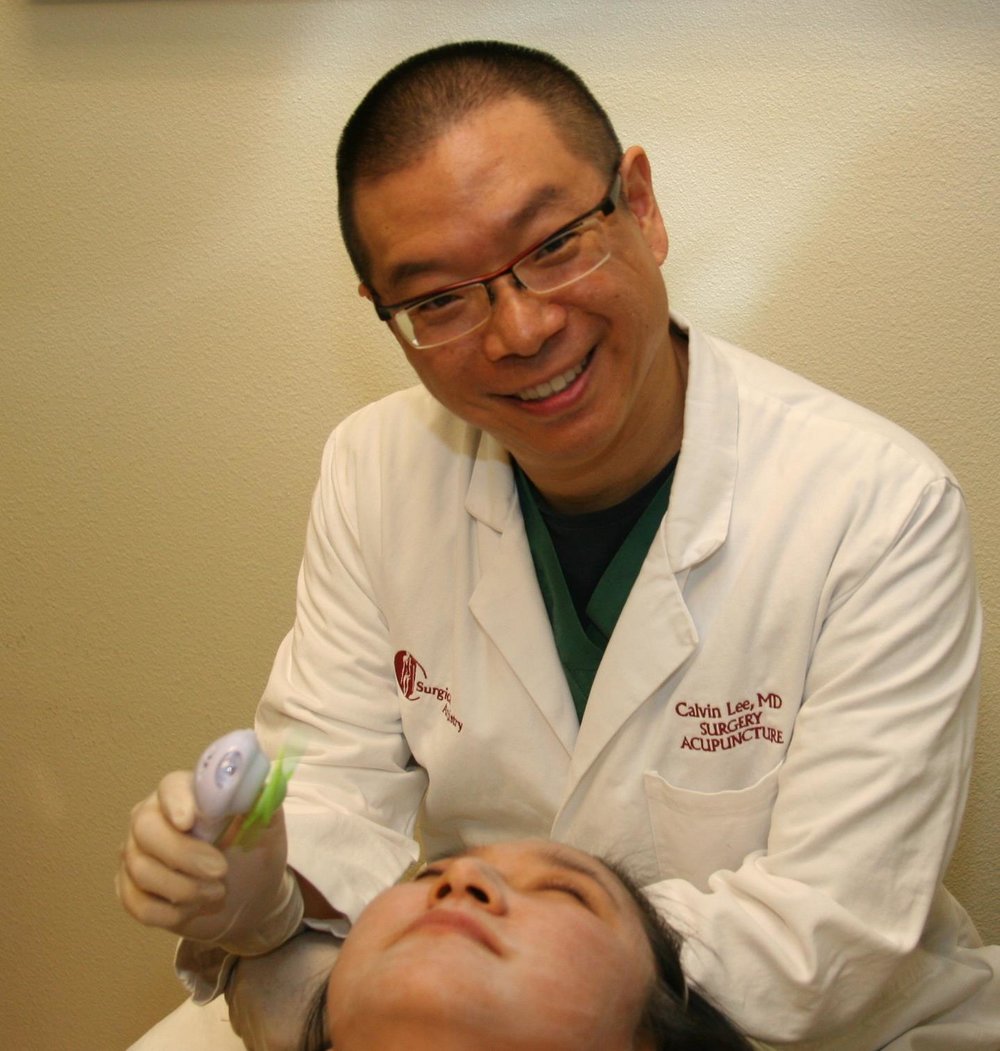
Dr. Calvin Lee, Surgical Artistry In Modesto, California

Building and managing a medical spa, vein clinic and cosmetic practice with his plastic surgeon wife is truly a dream come true for this physician.

Dr. Lee, Modesto CA Surgeon

Name: Calvin Lee, MD
Location: Modesto, CA
Clinic: Surgical Artistry
Modesto Plastic Surgery
Websites: SurgeryToday.com, InjectionArtistry.comBigVeins.com

Thats interesting: Dr. Calvin Lee is a regional speaker for Allergan. He has lectured about the Latisse product in Reno, Fresno, Modesto, Santa Rosa, and Napa.

The genesis of Dr. Calvin Lee as an aesthetic physician

I was a busy general surgeon with a heavy load of trauma surgery. Conflicts with my six member general surgery group landed me without a job. This allowed me to reflect upon how I wanted to prioritize my time and my life. I wanted to spend more time growing artistically with my violin. I also wanted to continue making web pages to share information. And most importantly I wanted to spend more time with my wife who is a plastic surgeon. During my phase of soul-searching, I enrolled in a year long Medical Acupuncture course affiliated with Stanford University and added acupuncture to the list of skills that I have.

In 2006, my wife and I started Surgical Artistry which is mainly a plastic surgery practice.

Read More

American Board Of Laser Surgery

I get a lot of questions from laser physicians about the American Board of Laser Surgery. I thought I would leave a short post about the benefits of becoming a diplomat of the ABLS. It is the only recognized specialty board specifically for laser surgery. We have members from many countries because most other countries do not have a laser board. It is like any other board certification with a written and oral exam.  Through the process, the practitioner will gain extensive knowledge about laser procedures, safety, theory, physics, and other information. Feel free to ask me any questions about it! 

American Cosmetic Surgery Numbers By Region

American cosmetic surgical procedures in the U.S. by region.

North East: 302,000 cosmetic surgeries


  • 29% Nose Reshaping
  • 20% Facelift
  • 18% Eyelid Surgeries
  • 17% Liposuction
  • 15% Breast Augmentation

South East: 289,000 cosmetic surgeries

  • 23% Liposuction
  • 23% Facelift
  • 22% Eyelid Surgeries
  • 16% Breast Augmentation

South: 258,000 cosmetic surgeries

  • 17% Breast Augmentation
  • 17% Nose Reshaping
  • 16% Tummy Tuck
  • 15% Liposuction

Midwest: 242,000 cosmetic surgeries

  • 31% Dermabrasion
  • 17% Breast Augmentation
  • 14% Nose Reshaping
  • 13% Eyelid Surgeries
  • 13% Liposuction

West: 485,000 cosmetic surgeries

  • 36% Breast Augmentation
  • 34% Eyelid Surgery
  • 32% Liposuction
  • 31% Facelift
  • 27% Nose Reshaping

* Percentages may aggregate to more than 100% do to the same patient having multiple types of treatments.

Dr. Lisa Lynn Sowder, A Female Plastic Surgeon In Seattle

Dr. Lisa Lynn Sowder

Dr. Lisa Lynn Sowder manages an accredited surgical facility and plastic surgery practice in Seattle, WA.

Name: Lisa Lynn Sowder MD FACS
Clinic: Seattle Plastic Surgery
Location: Seattle, WA
Website: sowdermd.com

That's interesting: Dr. Lissa Lynn Sowder is past president of the Northwest Society of Plastic Surgeons and the Washington Society of Plastic Surgeons, past chair of the King County Medical Society Grievance Committee and former Trustee of the King County Medical Society.

Your operating room is certified by the American Association for Accreditation of Ambulatory Surgical Facilities (AAAASF). How much benefit is there for a physician who owns their own surgical suite instead of using other facilities?

The headaches are staffing and supplying the operating room. Equipment needs to be maintained and replaced. Supplies need to be ordered. The floor needs to be mopped, etc. Employees need to be trained. There is a boat load of paperwork necessary for AAAASF certification. Just doing it all right isn’t enough – it all has to be documented and documented and documented. It’s expensive and

Read More

Laser/IPL Procedures For Patients With Skin Cancer History

There was a recent posted question on the American Board of Laser Surgery's website about treating a patient who has had basal cell carcinoma (BCC) in the past with a treatment like IPL.

This is obviously a controversial topic for sure!

My protocol (remembering that I am a surgeon) is that anyone with a history of skin cancer must have a full body skin cancer screening in the last six months by their dermatologist prior to me treating them. I must have a letter from that dermatologist stating that there is no active cancer anywhere on the skin and no suspicious lesions that need to be followed. Obviously, if there was a h/o skin cancer on an area I am NOT treating with IPL or laser, I just want a full body check and then we're good. If there is a previous lesion IN the area I am treating, then after dermatology clearance, I have a strong talk with the patient discussing the fact that treatmetns that potentially depigment lesions can mask the warning signs of a potential or growing cancer. They sign separately in consent their understanding and acceptance of risk and wish to proceed with the cosmetic treatment.

This particular question was regarding a simple IPL treatment for a cosmetic concern in a patient that had had h/o BCC in another area. If cleared, you would be fine to treat the cosmetic condition. I did not want anyone reading this to think that I was indicating that the IPL was meant to actually treat the BCC. I do think that it can be preventative of precancers buy removing damaged pigment cells and pigment, but that is obviously an impossible study. Hope that helps!

Medical Spa Marketing: The Rise Of The "Social Shoppers"

How active are you in attracting new patients through your social networks?

The growth in the online ad market is undeniable. Double digit gains of over 20% for 2011 were seen and 2012 will likely follow suit. This mega trend in marketing has changed our marketing strategies in our practice as well as how consumers are choosing their cosmetic provider. I have seen many mature practices where 60% or more of their patients come from internet sources. I have several colleagues who currently grow their practice through web related activities or word of mouth referrals exclusively.

Patients seeking cosmetic services have evolved their research methodology considerably from simple web site searches a few years ago to a search that is much more comprehensive. Patients want much more information about their providers outside of a curriculum vitae and a smiling photo. Three years ago, outstanding patient result photos were enough (btw, most practitioners fail to remove outdated photos or marginal results). In the age of social media, I refer to a certain group of internet savvy patients as “Social Shoppers”. This means that essentially if they don't have a best friend that has personally experienced your practice, then they need to perform enough research to feel like they know your practice personally. An outstanding website with great results is a large portion of the picture, but patients want unbiased affirmation that you have the expertise and track record of results for their particular procedure of interest. In our practice, we have always emphasized specialization and core expertise. By only performing certain types of procedures and literally refusing potential patients, we have grown our practice in core areas and augmented our expertise. There are reams of data to support better outcomes when people focus on certain tasks repetitively. Variety is the spice of life but repetition is the sugar!

A task list to satisfy “social shoppers” 

  1. Encourage your patients to review you online. You have great results and there should be evidence of this online for your patients to see.
  2. Actively blog about topics relevant to your core expertise and interest area. Focus on being an expert in your community and region.
  3. Become involved in social media cosmetic services forums Realself.com.
  4. Find your voice. As your writing volume increases, you will find a voice that demonstrates your expertise, attention to detail, and empathy. 

Peeling Melasma

Treating melasma is one of the most challenging indications in aesthetic dermatology.

In my hands and over the years, chemical peels in combination with bleaching agents still work the best. Most recently, very interesting and promising new bleaching cosmeceuticals are coming up, matching both, efficacy and safety compared to the gold standard substances such as low dose hydroquinone and or kojic acid.

Anyhow, I do strongly believe in the fact, that -for a therapeutic effect- we still need highly efficacious treatments to resolve and manage these hyperpigmentation conditions: Chemical Peels in combination with bleaching substances are a very potent way to treat melasma. It`s either about raising the concentration of the working agents or about performing multiple treatments.

Overall, the physician has to have a broad experience in combining those agents and secondly, the patient needs to be educated on following a life-long "skin-diet"-program.

The Desirable Duopoly Of Doctor & Patient

Medical Spa Doctor PatientAsk any corporate tycoon what the toughest business structure to beat is, and surely they'll tell you it's a duopoly - two co-dominant institutions presiding over a market, essentially cutting out all other competitors or outside influences.

Are the two big players friends or foes? One can make a case for both. Republicans and Democrats, Ford and GM, and even Magic and Bird - all dominant duopolies that symbiotically blasted and outlasted their competition. That is, of course, until the third party showed up - the new kid on the block. Traditionally, the third party, or its potential to arise from obscurity into the limelight, has been a great offsetting entity to the status quo of the omnipotent duopoly. Just ask the Tea Party, Chrysler, or Michael Jordan. These entities, the consummate "start-ups", all served to destabilize the ruling double-team, and thus helped democratize whatever industry they were involved in. As it turns out, this destabilization, a requisite force of the free market, serves to wipe up the cobwebs of industry stagnation, and create new avenues and vectors for ingenuity and prosperity. But not all third parties share in this benevolent intention. Some third parties have done the exact opposite.

Read More

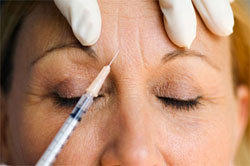
Botox, Dysport, Xeomin: How Many Neuromodulators Should Your Practice Offer?

Botox, Dysport, XeominWith Botox, Dysport, and Xeomin available and being marketed directly to your patients by thier manufacturers, how many — and which ones — do you need?

In the United States, we currently have three neuromodulator products (Botox - Allergan, Dysport - Medicis and Xeomin - Merz) approved by the FDA for treatment of the glabella complex.

These products are also frequently used “off-label” for treatment of the upper-, mid- and lower-face. Botox has over a ten year-track record of safe and effective use and is the best-selling neuromodulator worldwide. Dysport was similarly approved as a cosmetic treatment in 2009. Of note, a recent injunction against Merz unrelated to safety or efficacy has delayed the nationwide rollout of Xeomin.

Given that we have multiple agents to choose from, there are a number of issues to consider when choosing which neuromodulator(s) to offer to your patients. I’ll focus on Botox and Dysport as Xeomin is currently unavailable and has yet to receive its nationwide rollout pending the legal controversy.

Read More