Four Ways To Motivate Your Staff

One of the best ways to prevent turnover and reduce the incidence of angry employees is through constant motivation.

While it's easy to say, "Go team!" everyday, it's not exactly motivational if you deadpan. Like any other business, staff is subject to prolonged work hours or monotonous activities which could be daunting to them. Staff motivation takes time like with trust and respect, which are both built. Here are four ways you can motivate your staff in your practice or clinic.


Create an encouraging and positive environment. This is important, because no staff would like to stay in a toxic environment and an overly-demanding and no-good boss. Constant encouragement and a good attitude will put your staff in high spirits. Whenever someone accomplishes a task, thank them and compliment them. Whenever someone makes a mistake, remind them it happens, offer any help if necessary, and still thank them for their work.

Treat them. To what? You ask. Staff dinner is a good example. Monthly bonuses are another option as well. So long as you set boundaries and it follows ethics and guidelines. Treating them occasionally would show how you appreciate their efforts and repaying them for their hard work.

Provide training. As a physician, it may be difficult to manage staff with all the procedures and appointments you are scheduled to perform and do. Thus, it is necessary to delegate procedures or therapies to your physician assistant, nurse practitioners, or aestheticians. Your employees would be thrilled if you provide them training for new devices or for management. This allows them to learn and expand their knowledge.

Remember to communicate. With everything, effective communication is key. In this situation, you can talk about any concerns within the team and resolving any issues that could hinder work. With this method, you are promoting transparency. You could schedule meetings on your free time with your staff, to talk about everything in the practice. Make certain that you regularly discuss with your staff.

There you have it! Motivating staff could boost employee morale. Motivation doesn't just happen overnight, it is a process, which could translate into a positive workplace.

Survey: Protecting Your Medical Spas Reputation Online

Your clinic's reputation online is a crutial part of your business, and it's easily attacked.

Responses to this survey will be part of our new report on protecting your reputation online and include everything we've learned about managing, controling, and protecting your professional reputation.

Powerful Marketing For Your Medical Spa: Social Proofing

Increase conversion rates of cold sales emails through social proofing!

Social proofing is a psychological phenomenon which influences someone to think that you are great after knowing that other people think you are great. It is informational social influence where people assume or conform to other's actions in an attempt to reflect the correct behavior for a given situation.

This is useful especially when you are communicating to your potential customers for the first time, as when you are cold emailing them.

Social proof is also notable on social networking sites such as Facebook, Twitter, and Instagram. The more followers you have, the more trustworthy and reputable you appear to be.

Product reviews and ratings are relevant for American consumers. Statistics says that more than 70% of them look at product's site and its reviews and ratings before deciding to purchase a product.

Several techniques of social proofing can be utilized, including mentioning in your email the patrons of your product, perhaps a famous company which is also your client, a famous investor, or the person you know in common in the mail.

It shows your potential customer that others have also taken the action that your company wanted them to take, whether purchasing or subscribing. Research shows that when a famous customer is mentioned at the bottom of the email, replies in the cold email doubled.

In a study of 10,000 accounts at a German bank, it was shown that customers who came from customer referrals had 16% higher lifetime value than those who came from other acquisition sources. Social media has sparked dozens of different ways to provide this kind of social proof.

Facebook widgets that show other Facebook friends that “like” a brand, Twitter’s display of people you follow that also follow another person, and the various ways that company offer rewards for referring others to the brand are all examples of this. Perhaps you might also want to mention present customers with established positive reputations.

These influencers are seen more positively with association. A shared LinkeIn Connection may also be mentioned. It was found that when you point out a shared connection with someone in common, 25.5% of the people who received the email opted in to have a further conversation about the product compared to the 4 % who received the basic mail.

Testimonials, accompanied with corresponding faces, are one of the most persuasive forms of social proof out there. Compared to statistics, stories and real-life experiences by other people are more trustworthy and persuasive because these examples touch our hearts and mind.

Optimizing Your Clinics Email Marketing

Email marketing is a good way for businesses to engage both potential and existing customers. In 2015, email users are nearly around 2.6 billion and this is expected to exponentially increase to over 2.9 billion in the year 2019.

medical spa email marketing

Emails are very useful in the business world and as well as consumers - mainly due to its use for notification consisting of online sales.

Further, survey says that 91% of consumers check their email at least daily and 55% of companies surveyed say they generate more than 10% of sales from email.

Data from the Direct Marketing Association reveal that 66% of online consumers made transactions out of an email marketing message.

Email marketing allows you to be efficient. You can save a lot of your precious time after optimizing your autoresponder sequence or your sales funnel. Automation takes over and does most of the work for you.

But first, you have to plan about the results you want to achieve when hatching plans to grow your list. Map out how email marketing can be incorporated in your overall marketing scheme.

So, how do you improve your patient interaction through email marketing?

Start with what you write as a keyword in your subject line. A study shows that those with keywords confirm, features, upgrade, magic and raffle are likely to be reported as spam so it is best to avoid them unless you were able to built up a list that really trusts you and your brand.

Make a great first impression on your new subscriber through the welcome email or the autoresponder sequence.

When do you send them?

Try sending them on days other than Tuesday and Thursday and email your customers between the hours of 2 PM and 5 PM.

MailChimp’s Email Genome Project reveals that more mails are sent on Tuesday and Thursday than any other day of the week so you might want to test sending emails on other days so you will have less competition. This will pave the way for increased inbox space and click through rates.

People are more likely to open their email between 2 PM to 5 PM, regardless of time zone, according to the Email Genome Project.

Where do you link your email?

Try sending your email traffic to a dedicated landing page because this is usually the one that has a higher conversion rate. Also, you might want to include social share buttons in your emails as this can also generate higher click through rates.

Got other email marketing advices? Share them by posting your comments below. =)

2016 Trends: Classic and Elegant Beauty

The year 2016 is predicted to be a time for putting forward a classy, elegant, and modern yet effortless look.

Beauty experts reveal that  the trend is leaning more on the "natural" look as complexions are expected to be taking a softer turn with a subtle quality.

Glowing and luminous skin will be a trend. According to Vogue, the recent call to natural beauty was given a windswept polish this season, with healthy washes of sun-kissed blush at Gucci and Michael Kors Collection meeting the breeze-tousled waves of Versace, Alexander McQueen.

Its all about bright and pouty lips this 2016, with classic reds and browns as "in" lip colors as they balance against a backdrop of a bare skin.

Hairstyles are expected to be going back to basics as natural and effortless look will be in style and buns and ponytails will be given a fresh twist. As they say, less is more.

With these trends, minimally invasive aesthetic procedures are expected to be popular among medspa patients to achieve a more enhanced yet effortless and youthful look.

Non-surgical facelifts, use of autologous fat grafting, botox injections, and fillers are among the procedures that are expected to be a trend in 2016.

Non-invasive procedures which offer less pain and quick recovery are also seen to be popular among patients. 

For more beauty trends in 2016, you may browse: http://www.vogue.com/13359453/top-beauty-trends-spring-2016-fashion-week/.

Timebridge Simplifies Scheduling

Schedule a meeting in seconds. (It's actually magic.)

From the good-to-know folder: If you're scheduling a lot of meetings, or if you want to let others request meetings with you, make your life easier and get a free Timebridge account.  

Once you create a free account and sync your calender, creating a new meeting (even complicated ones with multiple people) is simple and fast. Just enter the emails of your attendees, select a few times that work for you, and enter where or how you want to meet. That's it. You're done. Timebridge will contact all of the attendees, gather their meeting preferences, find the best time, send out all of the invites and reminders. The next interaction you have is the actual meeting.

Timebridge already has 250,000+ business users and has also launched the ability to share your calendar and let other people request meetings with you.

(Timebridge syncs with either Microsoft Outlook or Google Calender so you'll need to be using one of those for this to work.)

It already comes built out with a host of integrations and capabilities like free conference calling, notifications and reminders, etc., but one of the most exciting features is the "Meet With Me" ability to make a calendar public and let others request meetings. This ability to allow others to request meetings isn't completely built out yet, but more is promised shortly that may allow you to use it as an automated scheduling system for your clinic. If you're using an installed system that you're paying hundreds a month for this single feature should be music to your ears.

Of course the main use right now is scheduling meetings with other people.

Here's how easy it is to schedule a meeting:


Since it's free, I'd suggest creating an account and staying abreast of updates even if you don't use it every day. If they get the Meet With Me functionality built out to where you can use it to schedule appointments it could save you a wallet full of cash as well as save you time.

You can sign up for a free account or learn more at http://Timebridge.com

Botox Business For The Holidays

It's the time of the year where your patients are confronted with family parties and get-togethers... and it's a reminder that they're another year older. You could be the Santa they're looking for.

Christmas Botox

Look, you're probably already doing the basics with things like gift certificates and perhaps an email offer, but you might want to take stalk about what you could do to really boost your sales here.

For day spas it's common to do 50% of their yearly sales in December as gift certificates, leading to some very lean months in spring when they have to redeem them all. This can cause serious cash flow problems as clients fill your treatment rooms with no sales. There are a couple of tricks I've seen to deal with this that can mitigate the effects. 

  • Selling your gift certificates with some restrictions at a discount. You can stagger your gift certificates so that you push treatments or sessions into the summer or fall. On way is to sell your gift certificates by 'quarter' (spring, summer, fall, winter) with specific dates, then discount the ones farther out. By keeping track of purchases you can see what the discount should be to give you some control over when redemptions come in. Spring would certainly be full price but you might try scaling from 10% to 30% discounts for summer, fall and next winter. The fact that you're giving a 30% discount for a gift certificate that you sell for next winter is more than mad up for by getting payment up front, and the occational "breakage" that goes will all gift certificates.
  • Bundling treatments and services. Purse strings generally loosen over the holidays and, if you're not greedy, you can take advantage of this by bundling services that effectively boost your revenues. Tying your normall laser hair removal bundles along with an introductory Botox or filler treatment at a discount can give your patients a sense that they're lessening the cost and risk by getting a deal. (Don't do this all the time lest you fall into the trap of becomong a discounter where that's always expected.)
  • Memberships. One of the big moves that can give you regular recurring revenue (what eveyone wants) is to begin offering memberships. I'll go into that in a different post but you should be aware that memberships, while tricky to implement and get right, can dramatically change your clinic into a real business. Memberships allow you to tier your services, create some scarcity, engender a feeling of exclusivity with your high-revenue patients, and give you some vision into your future income. Yep. I'm definately going to have to deal more with memberships.

Create a relationship with your clients this holiday season and use that relationship to keep them coming back. Looking for new customers is more tedious and costly than maintaining regular customers. Gifts have always cemented relationships.  Use this time honored tradition to create some of your own!

Antidepressant Use in Plastic Surgery

"Stopping antidepressants before plastic and reconstructive surgery is unlikely to reduce complications--and might increase the risk of postoperative problems related to the patient's underlying depression."

This was reported by Dr. Isabel Teo of Ninewells Hospital, Dundee, and medical student Christopher Tam Song of University of Edinburgh after making a comprehensive literature review of the PubMed and Cochrane databases.

A total of 26 studies which assessed the effects of antidepressants on different plastic surgery risks were included for comparison including: risk of bleeding, risk of breast cancer, risk of breast cancer recurrence, breast enlargement, and other uique complications.

Evidences gathered has not debarred the increase in bleeding risk, breast cancer, or other adverse outcomes, according to the research review found in the issue of the Plastic and Reconstructive Surgery Journal.

Researchers Dr. Teo and Mr. Song stated that their review did not find consistent evidence of increased complications related to antidepressants. They said that risks associated with the stopping of prescribed antidepressant therapy in "psychologically vulnerable" patients likely outweigh any increase in complications.

According to them, discontinuation of antidepressants before surgery in the absence of a careful evaluation should be avoided. "Discontinuation syndrome" may happen to patients whose use of antidepressants - particularly the widely used selective serotonin reuptake inhibitors (SSRIs) - is stopped before surgery.

In conclusion, they said that:

This review does not support the cessation of antidepressants in patients before plastic surgery, as the numbers needed to harm are low and the implications of withdrawal may prove to be detrimental to postoperative management. 

However, the use of antidepressants for mental disorders may also implicate key patient risk factors for surgical complications, and sufficient exploration into the patient’s indications for the prescription is crucial. Evidence so far does not suggest that antidepressants increase the risk of breast cancer or recurrence in general, but caution should be exercised for those specifically on concurrent tamoxifen and paroxetine treatment.

Read more on: http://journals.lww.com/plasreconsurg/Fulltext/2015/11000/Assessing_the_Risks_Associated_with_Antidepressant.32.aspx

The New "Natural" Breast - Ideal Proportion is Key

A recent study in the Journal of Plastic and Reconstructive Surgery reveals the ideal proportions that may be used as a basis for helping your patients define the perfect breast.

You've all seen it happen; every woman wants perfects breasts and is convinced she knows what that means. Why then, is she dissatisfied when you deliver the modifications she's asked for? It turns out there's a new standard of beauty and a new study to help you, and your clients, achieve it.

In a recent survey, 1,315 men and women were asked to rate the attractiveness of breasts shown to them in three-quarter profile.  The results showed a clear pattern; the best chests have 45% fullness above the nipple line and 55% fullness below in a slightly teardrop shape.  Upward pointing nipples, a mildly concave upperslope and a convex and smooth lower slope were also key. Ironically, the traditional emphasis on upper pole fullness is not what patients now want. Round is out, natural is in!

So, how do you transfer the old ideal to the new real? Use these tips to guide your consultation:

  • Educate - find out what she already knows about the procedure and use this  knowledge as a basis to discuss the safest and healthiest way to achieve the result. Augment what they "know" with your expert medical opinion.
  • Communicate - Eveyone woamn has her own opinions about ideal shape and size. It is also critical to know whether a natural or augmented look is desired. Also useful is a  discussion of implant location, fill material and resulting profile in addition to size. It is also key to help her understand that a naked breast will have a shape that differs from a clothed breast.
  • Be specific - Size and proportion alone isn't enough.  Discuss frame size, body shape and activity level with your patient.
  • Use images - Pictures, drawings and 3D imaging are all excellent tools to guide the process.

In the end, a common standard of beauty may be ideal, but your goal is to also help a woman be beautifully real.  If beauty is in the eye of the beholder, use her as a collaborator to achieve both of your goals.

Read more about the survey discussed above at: http://journals.lww.com/plasreconsurg/Fulltext/2014/09000/Population_Analysis_of_the_Perfect_Breast___A.8.aspx?WT.mc_id=HPxADx20100319xMP

Pfizer + Allergan Mega-merger?

In a move driven by Pfizer Inc's desire to slash its tax bills its meregr with allergan will make it one of the worlds biggest market caps.

In a deal is expected to close in second half of 2016 The Pfizer/Allergan merger is likley the largest merger in the health care sector.

As part of an effort to reduce its corporate tax rate from 40 percent to 12.5 percent, Pfizer is negotiating to buy Allergan Plc. in a $160 billion dollar deal.  Operating under the new name of Pfizer Plc Ian Read will remain Chief Executive Officer, while Allergan's CEO Brent Saunders remain in a senior role focused on operations and the integration. Current Pfizer shareholders will receive one share of the new company for each share they own.

Beyond the issue of tax rate reduction, Read also cites greater financial flexibility that will facilitate continued discovery and development of new drugs, direct return of capital to shareholders, and continued investment of about $9 billion dollars in the United States; all of which would make Pfizer more secure in an increasing competitive market.

It all sounds great, so why the discussions and debates?  The acquisition, shifts Pfizer's headquarters to Ireland, resulting in the largest relocation of a U.S. company re-locating production overseas. This relocation explains, in part, the expected tax benefit.

As you can imagine, in an election year, this has added fuel to a roaring fire. President Obama called the move unpatriotic while Democrat presidential candidate Hillary Clinton vowed to push for measures to prevent such deals. The move was also slammed by Republican Presidential candidate Donald Trump, saying that such move was disgusting considering the potential job losses.

Job losses aren’t the only issue however; investors had hoped Pfizer would sell off the lower-margin business in 2017, a move now put off by the time required to integrate Allergan. However, after completion, Pfizer will be the fourth largest market cap company in the world. No wonder everyone’s talking.

Read more at Reutershttp://www.reuters.com/article/2015/11/24/us-allergan-m-a-pfizer-idUSKBN0TB0UT20151124#yS4ozV636BhWJ42T.99

Improved Method for Treatment of Burns

The use of meshed split skin autographs (SSGs) combined with autologous cultured proliferating epidermal cells provided better wound healing and less scarring compared to using SSGs alone.

In a 40-patient clinical trial, researchers from The Netherlands found that such technique provided better results for patients who suffered serious and deep burns. The usual method of treating burns was the use of split skin autographs.

The new technique developed by the researchers used autologous (self-donated), cultured proliferating epidermal cells that were “harvested” from a small donor site, and “seeded” in a collagen carrier that could, in theory, enhance the wound healing rate and improve scar quality.

Dr. Shinn-Zong Lin, Vice-Superintendent for the Center of Neuropsychiatry, professor of Neurosurgery at China Medical University Hospital, and coeditor-in-chief for Cell Transplantationwas quoted saying that this study offers a promising, improved therapeutic method for treating severe burns.

According to Dr. Esther Middelkoop of the VU University Medical Center in Amsterdam, a co-author of the study,

The rate of epithelialization in the experimental treatment was statistically significantly better when compared to the standard treatment. We also established improved pigmentation for the wounds treated with cultured ECs. Scar quality impacts patients’ lives in many ways due to cosmetic and functional concerns.

Additionally, there is a high economic burden on patients due to extended hospital stays and the cost of rehabilitation and reconstructive therapies. Because of this, additional research in burn wound treatment and the improvement of scar quality will always be of the highest priority.

It was revealed that epithelial cells applied to a carrier system could, in fact, reduce wound healing time and improve both short-term and long-term functional as well as cosmetic scar quality.

It was observed that the primary outcome was wound closure after five to seven days, said the researchers. Secondary outcomes were safety and scar quality, which were measured at three and 12 months.

Read more on: http://ingentaconnect.com/content/cog/ct/pre-prints/content-CT-1380_Gardien_et_al

Newly Identified Genes Linked to Aging

In the largest human molecular aging study to date, researchers discovered some 1,450 genes newly identified aging genes. These, together with factors such as diet, smoking, and exercise are linked to aging.

The underlying causes of human aging are largely unknown. However, growing old has been linked to the increased risk of diseases such as cancer, heart disease, and stroke - three of the leading causes of death.

According to the authors of the study, this large amount of newly identified genes provides a key breakthrough to better understand the molecular changes during aging.

Dr Marjolein Peters and Dr Andrew Johnson, from the Erasmus Medical Center and the Framingham Heart Study, respectively led this extensive study of the aging process.

Professor David Melzer from the University of Exeter oversaw the Exeter contribution.

Dr Luke Pilling, Associate Research Fellow in Genomic Epidemiology at the University of Exeter and part of the research team said:

This study has discovered many genes that change in their patterns of expression with age. This study has not only given insights into aging mechanisms – such as mitochondrial function – but these techniques have potential use in prediction and treatment.

Large, observational, and collaborative projects such as these provide a great platform to focus aging research in the future, with the hope that predictive tests can be developed, and treatment strategies for age-related conditions improved.

Researchers looked into the changes in gene expressions in blood samples of some 15,000 people from all over the world to find easy to measure markers of human aging. Information in the genes were analyzed by reading the DNA sequence and creating RNA, and then proteins.

The study showed that many of these genes work are responsible for generating the energy supply of the cells (mitochondrial function), metabolic processes, and the stability and flexibility of the cells.

By using the gene expression profiles, authors said that it allowed them to calculate the ‘transcriptomic age’ of an individual, and show that differences between transcriptomic age and chronological age are associated with biological features linked to aging, such as blood pressure, cholesterol levels, fasting glucose, and body mass index.

A potential limitation of their study, according to the authors, is that they relied on a linear regression model to identify age-associated genes. A linear model assumes constant change over age, which may not be always correct in biological processes that stretch over several decades (adulthood).

The research is published in the online edition of respected scientific journal, Nature Communications. http://www.nature.com/ncomms/2015/151022/ncomms9570/full/ncomms9570.html

OTC Vitamin Lowers Non-Melanoma Skin Cancer Risk

Can a simple vitamin taken in conjunction with sensible sun protection significantly lower the risk of common, non-melanoma skin cancer in high-risk patients?

A recent study completed at the University of Sydney and Royal Prince Alfred Hospital in Australia supports this claim. Senior author and professor of dermatology Dr. Diona Damian found evidence that skin cancers may be reduced with a year of treatment of nicotinamide.

A type of vitamin B3, nicotinamide is considered to be safe and affordable and is available in most countries as an over-the-counter drug. The study showed that nicotinamide was very well tolerated with no difference in adverse events, blood results, or blood pressure.

Nicotinamide differs from nicotinic acid and niacin, two other forms of vitamin B3. Nicotonic acid commonly causes headaches, flushing, and low blood pressure, but these side effects are not seen with nicotinamide.

Previous studies suggest that nicotinamide enhances the repair of DNA in skin cells damaged by sunlight. Additionally, nicotinamide appears to protect the skin's immune system from UV radiation by providing skin cells an extra energy boost when they are in repair-mode after sun exposure.

Skin cancer is known to be the most common form of cancer in fair-skinned populations in the world and it is considered to be four times as common as all other cancers combined. More than half of the population of Australia is affected by non-melanoma skin cancer.

Non-melanoma skin cancer is caused by sun exposure. The 386 participants involved in Dr. Damian’s study had a history of skin cancer, increasing their risk for additional skin cancers.

The patients were asked to take the pill twice-daily pill for a period of 12 months. Nicotinamide reduced the incidence of new non-melanoma skin cancers by 23%, relative to placebo controls, and cut the incidence of pre-cancerous sun spots by around 15%.

The average number of actinic keratoses (pre-cancerous sun spots) in the nicotinamide group was consistently lower during treatment, ranging from an 11% reduction at three months, to a 20% reduction at nine months.

Dr. Damian hopes that these findings can be immediately translated into clinical practice. However, she adds that people who are at high risk of skin cancer still need to practice sun safe behavior, use sunscreens, and have regular check-ups with their doctors.

More about this on: http://www.sciencedaily.com/releases/2015/10/151021185104.htm

Have Researchers Found the Best Method of Harvesting Autologous Fat?

A study published in the Journal of the American Society of Plastic Surgeons sought to examine the method that will optimize the process of harvesting lipoaspirate before grafting.

Dr. Emily Cleveland, together with her colleagues from the New York University Institute of Reconstructive Plastic Surgery, examined various articles on the methods of processing human fat for autologous grafting in an evidence-based review.

They found that there was no single viable method that may be advocated as the best technique for lipoaspirate process.

Autologous fat harvested through liposuction techniques is used by both cosmetic and reconstructive surgeons. As a filler, it has several advantages including availability, biocompatibilty, ease of harvest without risk of allergic reaction or rejection, and it's inexpensive.

This technique has been used in several procedures including, but not limited to, facial rejuvenation, breast augmentation and reconstruction, treatment of congenital anomalies, and improvement of soft-tissue damage due to radiation therapy.

Despite its advantages, the autologous fat transfer technique is also wrought with setbacks. Viability and the retention of fat graft cannot be predicted with certainty because of lack of clear data pinpointing factors which may be responsible for the variability in results.

However, there is a wide belief among practitioners that the lack of standardized procedure, especially with that of postharvest fat processing, significantly contributes to the variability. Currently, several techniques of fat harvest before transplantation are used.

Among them are the use of simple decantation, cotton gauze rolling, centrifugation, and washing in physiologic solutions.

In the study, randomized controlled trials, clinical trials, and comparative studies comparing at least two of the following techniques were included: decanting, cotton gauze (Telfa) rolling, centrifugation, washing, filtration, and stromal vascular fraction isolation.

Results of the study were as follows:

  • There is a lack of superior method for processing harvested lipoaspirate.
  • Simple decantation has previously been demonstrated to preserve a large number of intact and nucleated adipocytes. However, it allows a significantly greater amount of aqueous and lipid contaminants to remain in the specimen, particularly hematogenous cells and other materials that are believed to be proinflammatory and thus harmful to graft survival. Recent publications further confirm this, demonstrating lower rates of decanted graft viability relative to centrifuged and washed specimens.
  • There are limited data to suggest that cotton gauze rolling of the lipoaspirate produces a graft largely free of contaminants, with superior in vitro adipose-derived mesenchymal stem cell content and high rates of in vivo retention but the technique is quite labor intensive.
  • Centrifugation is perhaps the most widely used technique for postharvest fat processing, and has previously been considered the criterion standard. The most commonly used settings are those described by Coleman, in which lipoaspirate is spun at 1200 g (3000 rpm) for 3 minutes, followed by discarding the aqueous inferior layer and wicking off the free oil top layer. The middle adipose layer is then grafted. Some have suggested this may not be the most viable technique, in that it fails to incorporate the “pellet,” which contains the highest number of adipose-derived mesenchymal stem cells in the harvested specimen. Recent literature has demonstrated lower rates of graft viability after centrifugation relative to washing,although equivalent or superior results have been shown by some after “soft” centrifugation (400 g for 1 minute). Nevertheless, other research continues to support the equal effectiveness of standard centrifugation in preserving adipose-derived mesenchymal stem cells and producing viable in vivo grafts.
  • Washing the lipoaspirate has previously been demonstrated to preserve both a large number of mesenchymal stem cells and a large number of adipocytes, thus satisfying both theories for graft survival. Several commercially available technologies that use washing techniques also appear promising for efficient, effective processing of lipoaspirate. This finding is somewhat confounded, however, by the use of multimodality technologies such as those used by Salinas et al. (washing then Telfa rolling or centrifugation), and processing with the Puregraft and Revolve systems, which first filter the lipoaspirate before washing. In addition, limited or no data are available to demonstrate in vivo superiority of these techniques.
  •  Filtration methods appear to eliminate contaminants, and maintain viable adipocytes and a large portion of adipose-derived mesenchymal stem cells. This processing technique may be more efficient in producing viable graft material for large-volume fat transfers, which are becoming increasingly popular among both cosmetic and reconstructive surgeons. The Tissu-Trans Filtron inline filtration system holds promise, but there are to date only extremely limited data available to support its use.
  • Similarly, there is only limited evidence to date to support the supplementation of processed lipoaspirate with additional stromal vascular fraction. Although viable isolation methods have been developed, a great deal of further research is required to determine whether this additional cost and effort is justified by superior clinical outcomes. The Celution 800/CRS System may be a viable method for isolating stromal vascular fraction in clinical settings for augmentation of autologous fat used for grafting; however, no subsequent in vivo study was performed to demonstrate its superiority relative to the other proprietary systems examined in this study. 

In conclusion, the authors said that they 

 did not find compelling evidence to advocate a single technique as the superior method for processing lipoaspirate in preparation for autologous fat grafting. A paucity of high-quality data continues to limit the clinician’s ability to determine the optimal method for purifying harvested adipose tissue. Novel automated technologies hold promise, particularly for large-volume fat grafting; however, extensive additional research is required to understand their true utility and efficiency in clinical settings.

More information about the study can be found at: http://journals.lww.com/plasreconsurg/Fulltext/2015/10000/Roll,_Spin,_Wash,_or_Filter__Processing_of.16.aspx?WT.mc_id=HPxADx20100319xMP


Revolutionary Single-stage Breast Reconstruction Procedure

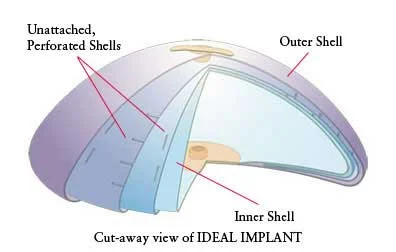
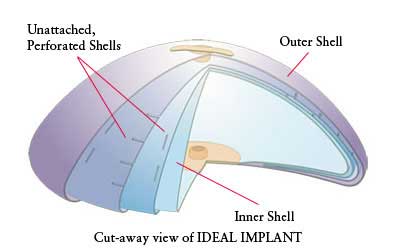
This new procedure preserves the nipple, areola and surrounding skin by using a vertical mastectomy incision, a dermal flap for coverage, and a definitive adjustable smooth saline implant.

breast reconstruction

Hilton Becker, M.D., a local plastic and reconstructive surgeon and an affiliate professor in FAU's Charles E. Schmidt College of Medicine, studied and developed this procedure as an alternative to radical mastectomy. His findings were published in the Plastic and Reconstructive Surgery Journal, co-authored by Jeffrey Lind II, M.D.

According to Dr. Becker,

There are numerous advantages to using a vertical incision over a horizontal incision. From the surgical perspective, it allows for ease of access, and from an aesthetic perspective this incision leads to a better cosmetic result with a scar that resembles that of a breast lift procedure. The procedure is minimally invasive as no new tissue planes are opened after the general surgeon has completed the mastectomy.

Procedures that spare the nipple and skin have been shown to be oncologically safe and allow for much more flexibility in implant-based breast reconstruction. Single-stage breast reconstruction will become more important as there continues to be increasing financial strains on our healthcare system.

Elizabeth Hopkins is an aspiring physician and pre-med student who has been mentored by Dr. Becker. She is also a patient of his and shared her personal feedback after undergoing this new procedure.

This blessing in disguise introduced me to a brilliant surgeon whose unique procedure enabled me to have a skin and nipple sparing mastectomy free from animation deformity, which happens when implants are placed beneath the pectoral muscle – mine were placed over the muscle. Being his patient and working side-by-side with Dr. Becker has changed my life and will hopefully change the lives of many others.”

During the preliminary stage of the study, 31 patients with a median age of 51 underwent the single-stage breast reconstruction procedure. They were followed over the course of four and a half years.

Both a low complication rate and implant loss were shown and reported as part of the results of the procedure. Other benefits according to the authors of the study include: elimination of animation deformities or movement of the implants, elimination of asymmetry, less postoperative pain and discomfort, and a faster recovery.

In addition, the natural position of the implant above the muscle leads to a more natural feel.

Currently, both a one-stage and a two-stage reconstruction are available for patients.

In an immediate breast reconstruction, the plastic surgeon places the implant beneath the muscle of the patient's chest after the removal of the breast tissue. A special type of graft or an absorbable mesh is used to hold the implant in place, much like a hammock or sling.

In a two-stage reconstruction (also called delayed-immediate reconstruction), a short-term tissue expander is used wherein a saline-water solution is injected by the surgeon over a period of 2 to 3 months. When the skin over the breast has stretched enough, a permanent implant will be surgically done to replace the expander. This kind of reconstruction allows time for other treatment options such as radiation therapy to be done when it is needed by the patients.

For more info, you may visit:

http://www.fau.edu/newsdesk/articles/Mastectomy%20Alternative-study.php

Success Factors You Should Consider in Your Practice

It is important to review also the factors in reaching success in the practice. Many researchers point out that it is crucial that physicians should know what measures success in the practice. Obviously, there are different elements to becoming successful for every physician, but this article aims to give you a brief idea how some activities could help target success.

Simple ways in reaching practice success:

Consider your patients’ wants

Keep your networking strategy

Stay active on social media and websites

Update your systems regularly

Motivate staff and develop better customer service

Consider your patients’ wants

Many experts claim you should consider your patient’s wants. It means you’re willing to listen to your patients… of course, eventually it boils down if you want to offer that certain procedure.

Ask yourself what other treatments and procedures you can still offer. It does not necessarily mean you will do all procedures (although many suggest a physician carry out the procedure themselves); a physician can still endorse other treatments to staff, if they are well equipped and trained for the procedure.

Keep networking

Welcome new physicians in the area. Connect with old physicians you networked with in the past. Continue a good working relationship with the present doctors. You mutually help each other through referrals, and it would help grow your network, and give your practice a boost when doctors refer you.

Stay active online

While social media won’t be your strong suit, you don’t need to depend on it too much. There are other websites where you could share your expertise and connect with other doctors and patients such as LinkedIn or Zwivel.

If you do have a social media account, make sure it’s not fully promotional or marketing. Make sure you balance it out with something personal (you don’t need to divulge all about your personal life) or about the practice itself.

Update your systems and technology in the practice

To avoid any blunders, always ensure you keep everything in check. From your lasers to any software, make sure they’re always running and updated.

Motivate staff

Staff is crucial to the practice; through their help, you were able to acquire patients. You could check out our previous post here about how you can motivate staff: http://medicalspamd.com/the-blog/2016/2/2/four-ways-to-motivate-your-staff.html

Success isn’t exclusively measured by the number of your patients. You’ll continuously need to work together with your staff in the team to achieve your goals as a practice.